V-UNION Pokémon cards — how many are there and what are they worth?
There are 24 V-UNION cards on file, 23 of them with a price, and the typical one costs $6.20.
Card mechanic · 24 cards · 23 with a price · $1.04 to $16.59 · read August 14, 2026
How much is a V-UNION Pokémon card worth?
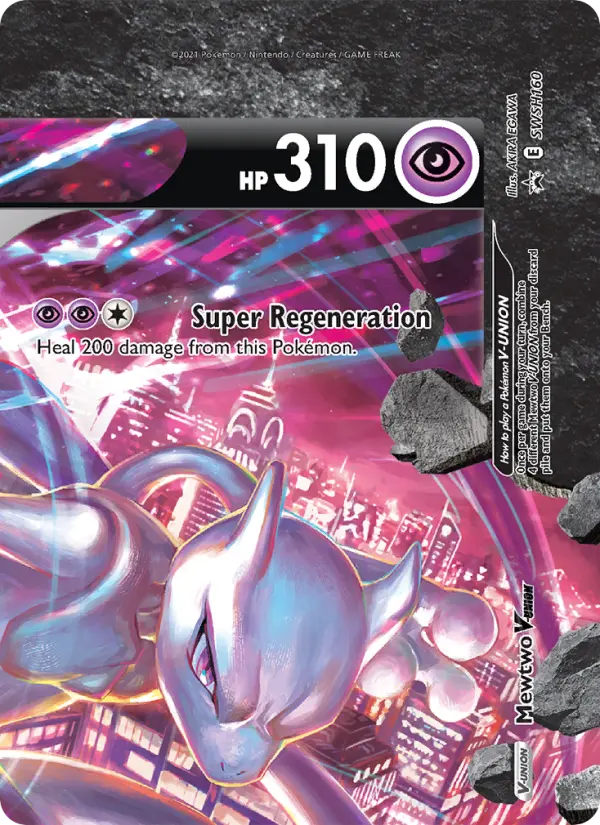
The typical V-UNION card costs $6.20. Across the 23 of them that carry a price, the cheapest is $1.04 and the dearest is $16.59 — Mewtwo V-UNION SWSH160, at $16.59. That spread is why the group price is a starting point and not a valuation of any one card.
Card facts are read from openly published card files; prices are read once a day from public marketplace listings into this site's own archive. Figures on this page were read on August 14, 2026.
V-UNION 24 cardsCard mechanic
V-UNION price summary
23 with a price · $1.04 to $16.59 · No. 12 of 28 mechanics by typical price · +97.5% in 11 months · 307 HP on average · weak to Fighting
16 mechanics cost less than this one





What stands out about V-UNION cards
- Scale 24 cards carry this mechanic — 0.1% of the 20,444 English cards on file.
- Price Half of the priced cards cost under $6.20, but the dearest reaches $16.59 — a gap of 3×.
- Place By typical price this is No. 12 of 28 mechanics; 16 of them cost less.
- Record 23 of the 24 cards have a price on file. The rest are counted but left out of every price figure rather than guessed at.
How 20,444 English cards narrow down to these 24
Full bar = that step's denominator · filled = what carries over- English cards on file 20,4447,208 cardsonly cards that record a mechanic remain · 35.3% of 20,444
- Cards with a mechanic 7,20824 cardsonly V-UNION remain · 0.3% of 7,208
- The 24 cards on this page24 cards0.1% of every English card on file
The middle step counts every card that records a mechanic, including mechanics too small to have a page of their own. That is why its figure is larger than the totals on the mechanic list, which only counts the groups it can open.
V-UNION Pokémon cards at a glance
- What this group is. 24 cards share the mechanic V-UNION. A mechanic is the special kind a card is printed as — V, VMAX and ex among Pokémon, Item, Supporter and Stadium among Trainers — recorded with each card in the card files this site reads. Evolution stages are counted on their own, and a plain card carries no mechanic at all, so this axis covers only the part of the archive that has one.
- What they cost. The typical card is $6.20. Across the 23 priced cards the range runs $1.04 to $16.59.
- Where it stands. No. 12 of 28 mechanics by typical price, with 16 of them cheaper.
- What the cards are like. They average 307 HP and 232 maximum damage, and are most often weak to Fighting.
- What is listed below. Every one of the 24 cards that carries a price, each with its own price page. The other 1 are counted in the total but have no published price, so they are not listed.
- When it was read. Every figure on this page comes from the archive as it stood on August 14, 2026.
Every V-UNION Pokémon card with a price on file
 Market $16.59Mewtwo V-UNION [SWSH160]2
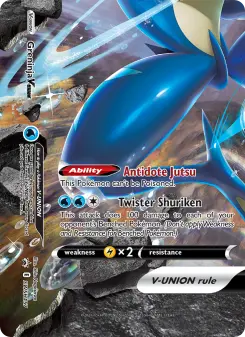 Market $13.15Greninja V-UNION [SWSH157]3
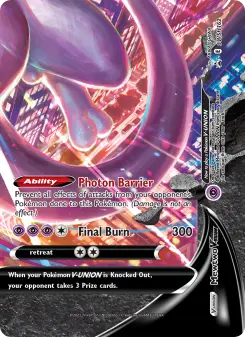 Market $12.06Mewtwo V-UNION [SWSH162]4
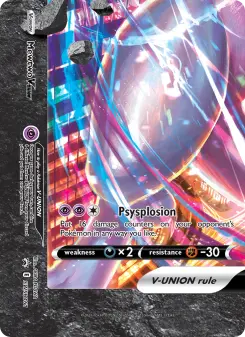 Market $10.86Mewtwo V-UNION [SWSH161]5
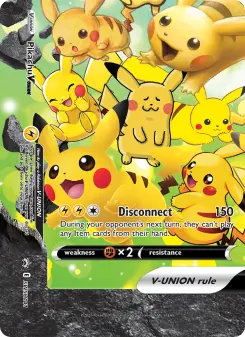 Market $10.19Pikachu V-UNION [SWSH141]6
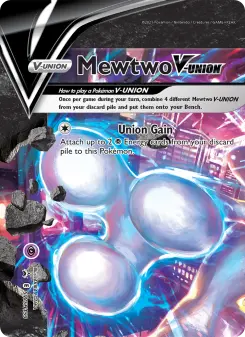 Market $9.95Mewtwo V-UNION [SWSH159]7
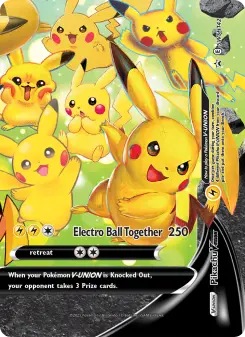 Market $9.44Pikachu V-UNION [SWSH142]8
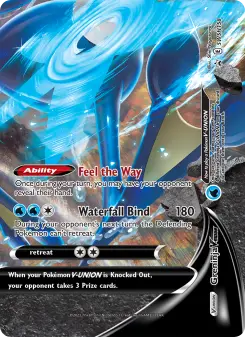 Market $8.28Greninja V-UNION [SWSH158]9
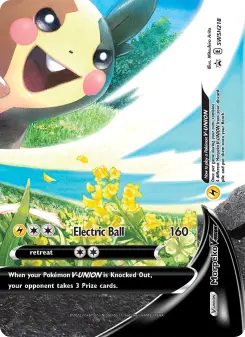 Market $7.22Morpeko V-UNION [SWSH218]10
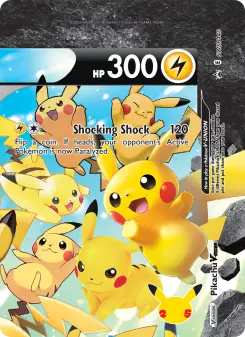 Market $7.19Pikachu V-UNION [SWSH140]11
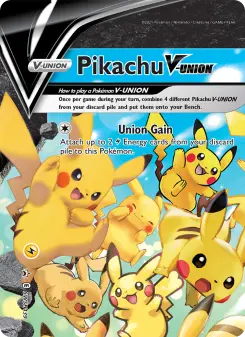 Market $6.43Pikachu V-UNION [SWSH139]12
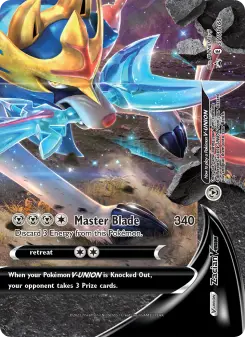 Market $6.20Zacian V-UNION [SWSH166]13
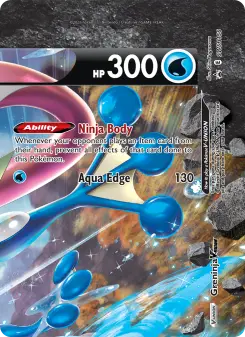 Market $5.92Greninja V-UNION [SWSH156]14
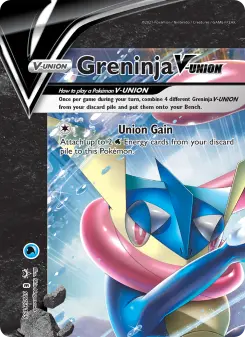 Market $5.81Greninja V-UNION [SWSH155]15
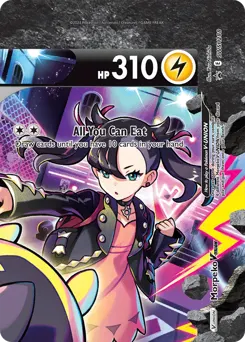 Market $3.37Morpeko V-UNION [SWSH288]16
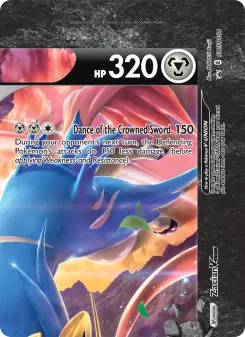 Market $3.24Zacian V-UNION [SWSH164]17
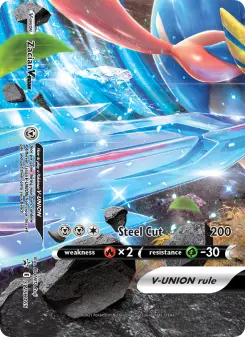 Market $3.19Zacian V-UNION [SWSH165]18
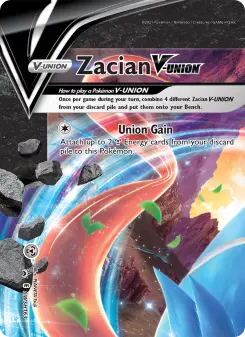 Market $2.85Zacian V-UNION [SWSH163]19
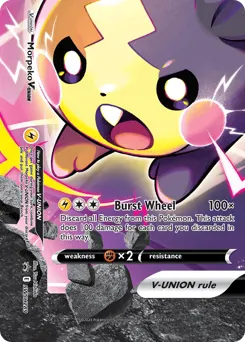 Market $2.85Morpeko V-UNION [SWSH289]20
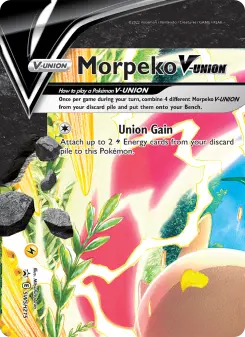 Market $1.42Morpeko V-UNION [SWSH215]21
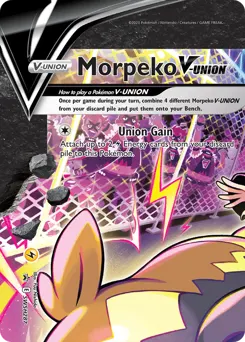 Market $1.36Morpeko V-UNION [SWSH287]22
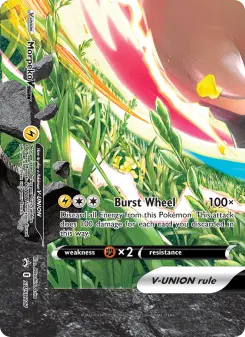 Market $1.31Morpeko V-UNION [SWSH217]23
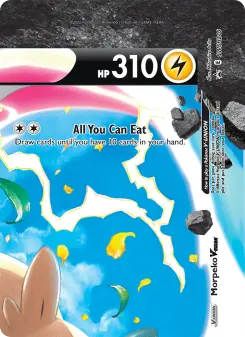 Market $1.04Morpeko V-UNION [SWSH216]24
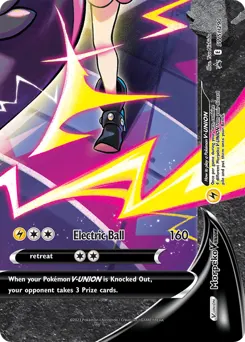 Morpeko V-UNION [SWSH290]
The 24 dearest V-UNION cards, most expensive first
Prices are the latest reading held in this site's own archive. A card with no picture on file is drawn as a small stand-in that still carries its name, set and number.
1Mewtwo V-UNIONSWSH Black Star Promos$16.59Promo2Greninja V-UNIONSWSH Black Star Promos$13.15Promo3Mewtwo V-UNIONSWSH Black Star Promos$12.06Promo4Mewtwo V-UNIONSWSH Black Star Promos$10.86Promo5Pikachu V-UNIONSWSH Black Star Promos$10.19Promo6Mewtwo V-UNIONSWSH Black Star Promos$9.95Promo7Pikachu V-UNIONSWSH Black Star Promos$9.44Promo8Greninja V-UNIONSWSH Black Star Promos$8.28Promo9Morpeko V-UNIONSWSH Black Star Promos$7.22Promo10Pikachu V-UNIONSWSH Black Star Promos$7.19PromoShow the rest of the list14 more cards, still in price order+14
11Pikachu V-UNIONSWSH Black Star Promos$6.43Promo12Zacian V-UNIONSWSH Black Star Promos$6.20Promo13Greninja V-UNIONSWSH Black Star Promos$5.92Promo14Greninja V-UNIONSWSH Black Star Promos$5.81Promo15Morpeko V-UNIONSWSH Black Star Promos$3.37Promo16Zacian V-UNIONSWSH Black Star Promos$3.24Promo17Zacian V-UNIONSWSH Black Star Promos$3.19Promo18Zacian V-UNIONSWSH Black Star Promos$2.85Promo19Morpeko V-UNIONSWSH Black Star Promos$2.85Promo20Morpeko V-UNIONSWSH Black Star Promos$1.42Promo21Morpeko V-UNIONSWSH Black Star Promos$1.36Promo22Morpeko V-UNIONSWSH Black Star Promos$1.31Promo23Morpeko V-UNIONSWSH Black Star Promos$1.04Promo24Morpeko V-UNIONSWSH Black Star PromosPromo23 cards on file carry a price; the archive holds the 24 dearest of them in full.
Back to summaryWhich V-UNION cards share a name across several printings?
Morpeko V-UNION8 printings · 1 set
Mewtwo V-UNION4 printings · 1 set
Greninja V-UNION4 printings · 1 set
Pikachu V-UNION4 printings · 1 set
Zacian V-UNION4 printings · 1 set
Are V-UNION Pokémon cards going up in value?
| Reading date | Typical price | Where it started |
|---|---|---|
| 12 Sep 25 | 3.14 | |
| 10 Oct 25 | 3.41 | |
| 7 Nov 25 | 3.53 | |
| 5 Dec 25 | 3.6 | |
| 2 Jan 26 | 3.64 | |
| 30 Jan 26 | 3.85 | |
| 27 Feb 26 | 4.05 | |
| 27 Mar 26 | 4.58 | |
| 24 Apr 26 | 5.06 | |
| 22 May 26 | 5.27 | |
| 19 Jun 26 | 5.44 | |
| 17 Jul 26 | 5.95 | |
| 14 Aug 26 | 6.2 |
| Window | Typical then | Typical now | Change |
|---|---|---|---|
| Last month | $5.95 | $6.20 | +4.2% |
| Last 3 months | $5.27 | $6.20 | +17.6% |
| Last 6 months | $4.05 | $6.20 | +53.1% |
| Since September 12, 2025 | $3.14 | $6.20 | +97.5% |
Each row compares the middle price of the whole group on two days. It is not the change of any single card — a card can fall while the group rises, which is what the movers list below shows.
The typical V-UNION card rose from $3.14 to $6.20 over the 11 months on file — +97.5%. A rising middle means the ordinary card of this group got dearer, not just the headline one at the top of the list.
How V-UNION Pokémon card prices are spread
Each half circle is the whole price range of the 23 priced V-UNION cards, from $1.04 to $16.59, with the tenfold steps evenly spaced. The last one is read differently — it counts cards rather than dollars, and says so in its own label.
How every V-UNION card with a price falls into price bands — 23 cards counted, not just the ones drawn above. Each track is the whole group, so the empty part of a bar is the share that sits outside that band.
The longest bar is where an ordinary V-UNION card actually sits. Bands read the market price of each card on August 14, 2026.
| Group | Share | Value |
|---|---|---|
| $1 to $5 | 39.1% | 9 cards |
| $5 to $20 | 60.9% | 14 cards |
| Figure | All priced cards | The 24 listed above |
|---|---|---|
| Cards counted | 23 | 24 |
| Cheapest | $1.04 | $1.04 |
| Cheaper quarter, up to | $3.02 | — |
| Typical (median) | $6.20 | — |
| Dearer quarter, from | $9.70 | — |
| Dearest tenth, from | $11.82 | — |
| Average | $6.52 | — |
| Dearest | $16.59 | $16.59 |
The two columns are different groups of cards, not two readings of the same one — the right column is the dearest end of the left one. "Typical" is the middle price, which half the cards sit below; "average" is pulled upward by the few very expensive cards, which is why the two differ.
The average price of a V-UNION card is $6.52 while the typical one is $6.20. The gap between those two numbers is the shape of this group: the cards sit close together, so the average and the typical price say roughly the same thing.
What three quarters of the 23 priced V-UNION cards cost
One in four V-UNION cards costs $3.02 or less, half cost $6.20 or less, and three in four cost $9.70 or less. Only the top quarter runs past $9.70, and the dearest tenth starts at $11.82.
See the dearest Mewtwo V-UNION — $16.59What V-UNION Pokémon cards are made of, and which of them hold the value
Each track is the whole of the 24 V-UNION cards on file, so the empty part of a bar is the share that sits in the other rows.
Only the ten largest rows are drawn. The table below carries the same counts as text, together with what each row typically costs.
| Group | Share | Value |
|---|---|---|
| AKIRA EGAWA | 16.7% | 4 cards |
| Mitsuhiro Arita | 16.7% | 4 cards |
| PLANETA Tsuji | 16.7% | 4 cards |
| Shin Nagasawa | 16.7% | 4 cards |
| Yuu Nishida | 16.7% | 4 cards |
| Illustrator | Cards | Share | Typical price |
|---|---|---|---|
| AKIRA EGAWA | 4 | 16.7% | $11.46 |
| Mitsuhiro Arita | 4 | 16.7% | $1.37 |
| PLANETA Tsuji | 4 | 16.7% | $3.22 |
| Shin Nagasawa | 4 | 16.7% | $7.10 |
| Yuu Nishida | 4 | 16.7% | $2.85 |
Counted across all 24 V-UNION cards on file. "Typical price" is the middle price inside that row, left as a dash where fewer than three of its cards carry a price — a median of one or two cards is not a typical price.
Each track is the whole of the 24 V-UNION cards on file, so the empty part of a bar is the share that sits in the other rows.
Only the ten largest rows are drawn. The table below carries the same counts as text, together with what each row typically costs.
| Group | Share | Value |
|---|---|---|
| Lightning | 50.0% | 12 cards |
| Metal | 16.7% | 4 cards |
| Psychic | 16.7% | 4 cards |
| Water | 16.7% | 4 cards |
| Energy type | Cards | Share | Typical price |
|---|---|---|---|
| Lightning | 12 | 50.0% | $3.37 |
| Metal | 4 | 16.7% | $3.22 |
| Psychic | 4 | 16.7% | $11.46 |
| Water | 4 | 16.7% | $7.10 |
Counted across all 24 V-UNION cards on file. "Typical price" is the middle price inside that row, left as a dash where fewer than three of its cards carry a price — a median of one or two cards is not a typical price.
Back to summaryHow much HP and damage V-UNION Pokémon cards print
| Measure | Lowest | Lower quarter | Typical | Upper quarter | Highest | Cards counted |
|---|---|---|---|---|---|---|
| HP | 300 | 300 | 305 | 310 | 320 | 24 |
| Biggest attack | 160 | 160 | 215 | 300 | 340 | 24 |
Trainer and energy cards carry no HP or attack, so they are left out of these counts rather than entered as zero. "Biggest attack" is the largest printed damage number on the card, before any condition the attack text adds.
HP printed on the 24 V-UNION cards that carry one. The typical card is 305 HP. Bar length is that HP against the highest in the group.
Half of these cards sit between 300 and 310 HP. The distance between the two ends is what a single average would have hidden.
| Group | Share | Value |
|---|---|---|
| Lowest | 93.8% of the highest | 300 HP |
| Lower quarter | 93.8% of the highest | 300 HP |
| Typical | 95.3% of the highest | 305 HP |
| Upper quarter | 96.9% of the highest | 310 HP |
| Highest | 100.0% of the highest | 320 HP |
The largest printed damage number on each of the 24 V-UNION cards that print one. The typical card hits for 215. Bar length is that number against the hardest hitter in the group.
Half of these cards hit between 160 and 300. Attack text that adds a condition is not counted here — only the printed number.
| Group | Share | Value |
|---|---|---|
| Lowest | 47.1% of the highest | 160 damage |
| Lower quarter | 47.1% of the highest | 160 damage |
| Typical | 63.2% of the highest | 215 damage |
| Upper quarter | 88.2% of the highest | 300 damage |
| Highest | 100.0% of the highest | 340 damage |
What are V-UNION Pokémon cards weak to?
What V-UNION Pokémon cards are weak to
- Fighting50%
- Darkness17%
- Fire17%
- Lightning17%
| Item | Value | Share |
|---|---|---|
| Fighting | 12 | 50% |
| Darkness | 4 | 17% |
| Fire | 4 | 17% |
| Lightning | 4 | 17% |
An attack of this type does double damage to the card. Counted across the 24 V-UNION cards that print a weakness.
Which V-UNION Pokémon cards print a resistance?
What V-UNION Pokémon cards resist
- Fighting50%
- Grass50%
| Item | Value | Share |
|---|---|---|
| Fighting | 4 | 50% |
| Grass | 4 | 50% |
Resistance cuts incoming damage from that type. Only some V-UNION cards print one, which is why this count is smaller than the card total.
Can you still play V-UNION Pokémon cards, and what do they cost to retreat?
| Question | Cards | Share of the group |
|---|---|---|
| Legal in Standard today | 0 | 0.0% |
| Legal in Expanded today | 24 | 100.0% |
| Cards with an Ability | 8 | 33.3% |
| Cards with a special rule | 24 | 100.0% |
Standard and Expanded are the two tournament formats. A card leaves Standard when its set rotates out, so this share moves each year while the card itself does not change.
Each track is the whole of the 24 V-UNION cards on file, so the empty part of a bar is the share the answer does not cover.
The rows are not slices of one whole — a card can be legal in Standard and carry an Ability at the same time, so the bars are read one at a time against the group.
| Group | Share | Value |
|---|---|---|
| Legal in Standard today | 0.0% | 0 cards |
| Legal in Expanded today | 100.0% | 24 cards |
| Cards with an Ability | 33.3% | 8 cards |
| Cards with a special rule | 100.0% | 24 cards |
Which V-UNION Pokémon cards moved most this year
17 V-UNION cards tracked across the yearSee the group line
A group line and a card line are not the same thing. The V-UNION group rose over this window, yet the cards above ran from +56.5% to +178.0% — which is why a figure taken from the group tells you what to expect, and only the card page tells you what happened.
The cheapest V-UNION Pokémon cards you can buy
Read from the same daily price archive as the rest of this page. A low price usually means the card is common rather than that it is a bargain.
Morpeko V-UNIONSWSH Black Star Promos#SWSH216$1.04PromoMorpeko V-UNIONSWSH Black Star Promos#SWSH217$1.31PromoMorpeko V-UNIONSWSH Black Star Promos#SWSH287$1.36PromoMorpeko V-UNIONSWSH Black Star Promos#SWSH215$1.42PromoZacian V-UNIONSWSH Black Star Promos#SWSH163$2.85PromoMorpeko V-UNIONSWSH Black Star Promos#SWSH289$2.85PromoSet and number are what you match against a listing; two cards with the same name are different cards if either of those differs.
How V-UNION compares with the other mechanics
28 mechanics in totalSee them all
V-UNION is No. 12 of 28 mechanics by typical price, with 16 of them cheaper and 11 dearer. Rank is not the same as scarcity: a group can rank high because a handful of its cards are chased, while most of it stays affordable — the price ladder above shows which of those two is happening here.
How the mechanics compare on HP, damage and how hard they hit for their size
| Card mechanic | Cards | Average HP | Average biggest attack | Damage per HP | Most common stage |
|---|---|---|---|---|---|
| Team Plasma | 113 | 124 | 66 | Basic | |
| EX | 438 | 179 | 99 | Basic | |
| V | 601 | 208 | 126 | Basic | |
| VMAX | 209 | 320 | 143 | Eternamax | |
| ex | 942 | 243 | 144 | Basic | |
| Star | 29 | 80 | 50 | Basic | |
| SP | 105 | 90 | 47 | Basic | |
| Prime | 31 | 120 | 69 | Stage 1 | |
| MEGA | 207 | 278 | 154 | Stage 2 | |
| GX | 601 | 214 | 133 | Basic | |
| Tera | 146 | 260 | 170 | Basic | |
| VSTAR | 94 | 271 | 167 | — | |
| TAG TEAM | 130 | 266 | 161 | Basic | |
| Ultra Beast | 105 | 169 | 119 | Basic | |
| Prism Star | 27 | 126 | 75 | Basic | |
| Future | 70 | 183 | 152 | Basic | |
| Ancient | 73 | 179 | 127 | Basic | |
| Fusion Strike | 53 | 146 | 96 | Basic | |
| Single Strike | 147 | 182 | 121 | Basic | |
| Rapid Strike | 158 | 173 | 70 | Basic | |
| V-UNION | 24 | 307 | 232 | — |
Damage per HP is that group's average biggest attack divided by its average HP: a larger number means the group hits harder for the size it prints. Both averages are counted only across the cards that carry the number at all, and Trainer and Energy cards carry neither. Only groups large enough to have their own page are listed.
Back to summaryThe dearest and the cheapest V-UNION Pokémon card, side by side
Mewtwo V-UNION$16.59$1.04 VS $16.59
Morpeko V-UNION$1.04The other mechanics, and what each one is made of
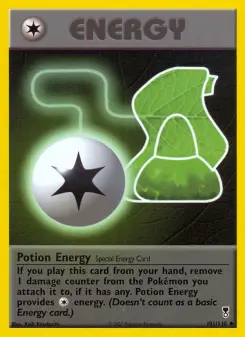 Special211 cardsFor example: Potion EnergyTypical card $2.43
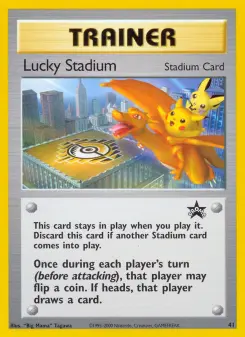 Stadium265 cardsFor example: Lucky StadiumTypical card $1.25Item856 cards · 51 HP on average · 300 damageFor example: Tropical Tidal WaveTypical card $0.81
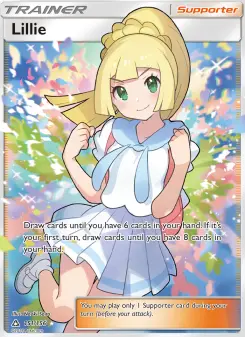 Supporter1,166 cardsFor example: LillieTypical card $1.97
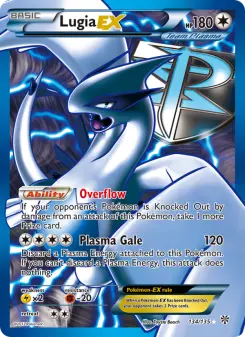 Team Plasma113 cards · 124 HP on average · 66 damageFor example: Lugia-EXTypical card $7.76
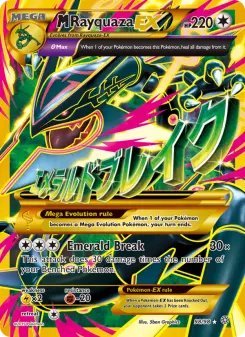 EX438 cards · 179 HP on average · 99 damageFor example: M Rayquaza-EXTypical card $25.03
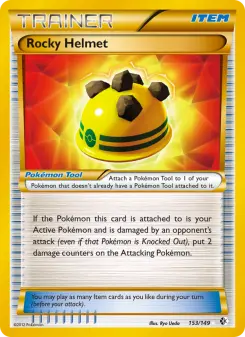 Pokémon Tool336 cards · 175 damageFor example: Rocky HelmetTypical card $0.55
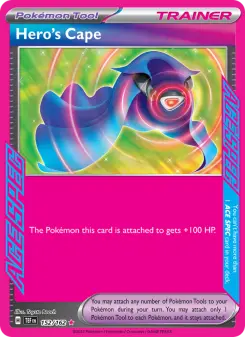 ACE SPEC46 cards · 200 damageFor example: Hero's CapeTypical card $0.82
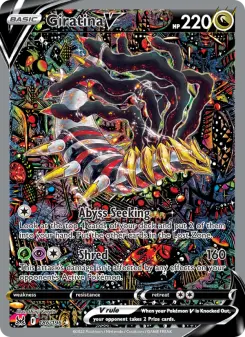 V601 cards · 208 HP on average · 126 damageFor example: Giratina VTypical card $2.40
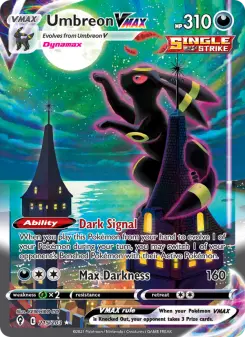 VMAX209 cards · 320 HP on average · 143 damageFor example: Umbreon VMAXTypical card $8.23
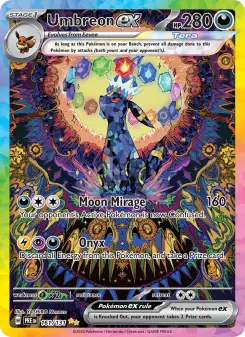 ex942 cards · 243 HP on average · 144 damageFor example: Umbreon exTypical card $3.61
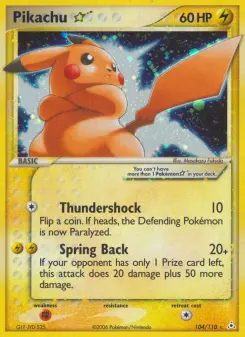 Star29 cards · 80 HP on average · 50 damageFor example: Pikachu ★Typical card $1,010.00
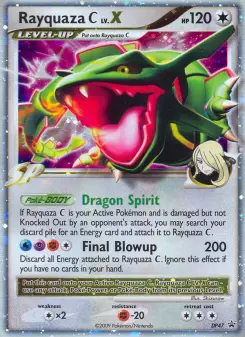 SP105 cards · 90 HP on average · 47 damageFor example: Rayquaza C LV.XTypical card $12.47
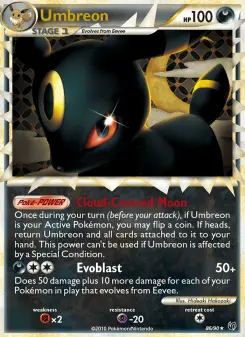 Prime31 cards · 120 HP on average · 69 damageFor example: UmbreonTypical card $72.61
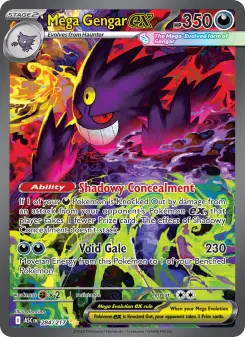 MEGA207 cards · 278 HP on average · 154 damageFor example: Mega Gengar exTypical card $21.41
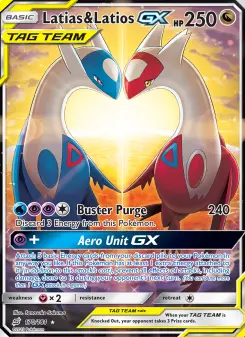 GX601 cards · 214 HP on average · 133 damageFor example: Latias & Latios-GXTypical card $20.14
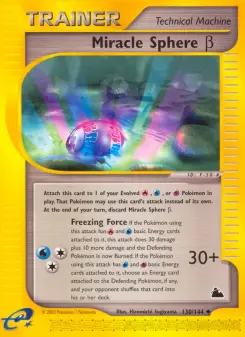 Technical Machine25 cards · 20 damageFor example: Miracle Sphere βTypical card $5.21Tera146 cards · 260 HP on average · 170 damageFor example: Umbreon exTypical card $3.30
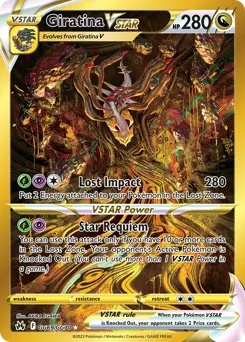 VSTAR94 cards · 271 HP on average · 167 damageFor example: Giratina VSTARTypical card $8.00TAG TEAM130 cards · 266 HP on average · 161 damageFor example: Latias & Latios-GXTypical card $89.66
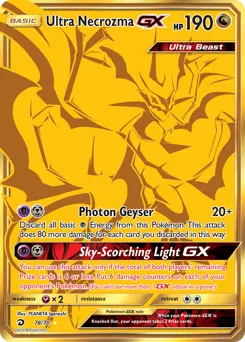 Ultra Beast105 cards · 169 HP on average · 119 damageFor example: Ultra Necrozma-GXTypical card $9.32
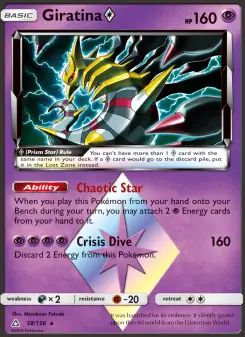 Prism Star27 cards · 126 HP on average · 75 damageFor example: Giratina ◇Typical card $5.41
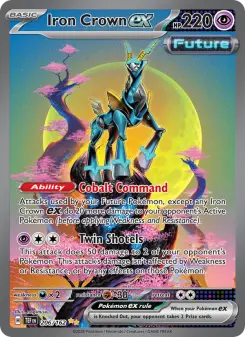 Future70 cards · 183 HP on average · 152 damageFor example: Iron Crown exTypical card $0.73
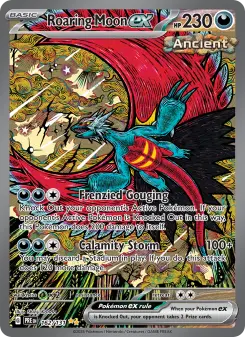 Ancient73 cards · 179 HP on average · 127 damageFor example: Roaring Moon exTypical card $0.88
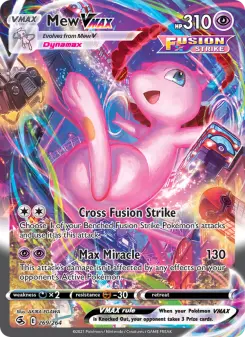 Fusion Strike53 cards · 146 HP on average · 96 damageFor example: Mew VMAXTypical card $0.80Single Strike147 cards · 182 HP on average · 121 damageFor example: Umbreon VMAXTypical card $0.79
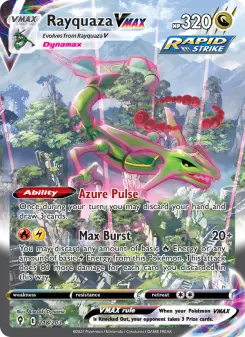 Rapid Strike158 cards · 173 HP on average · 70 damageFor example: Rayquaza VMAXTypical card $0.90
Bar length is that group's size against the largest of them, which is 1,166 cards. The card shown on each panel is the dearest one in that group, not a typical one.
Every group listed here is large enough to have a page of its own; smaller ones stay as rows on the page above.
Back to summaryThe 5 things that tell V-UNION cards apart
The numbers every figure on this page is read from
Where V-UNION sits, at a glance
Each panel is a different way of cutting the same cards; the section it links to shows the full count.
Which V-UNION Pokémon cards hit hardest, type by type
The three hardest-hitting V-UNION Pokémon cards
V-UNION Pokémon cards — frequently asked questions
How many V-UNION Pokémon cards are there?
How much is a V-UNION Pokémon card worth?
What is the most expensive V-UNION Pokémon card?
Are V-UNION Pokémon cards rare?
Do all V-UNION Pokémon cards have a price?
Where can I see every V-UNION Pokémon card?
How often are V-UNION Pokémon card prices updated?
Are V-UNION Pokémon cards going up in value?
How much does a cheap V-UNION Pokémon card cost?
What is the highest HP on a V-UNION Pokémon card?
Are V-UNION Pokémon cards legal in tournaments?
What are V-UNION Pokémon cards weak to?
Which V-UNION Pokémon card rose the most this year?
How these V-UNION figures are collected, and where you can check them
Primary official source
First-party official sources — the body that issues the data itself, such as a government agency, a statutory register or a rights holder publishing its own records.
Industry source
Second-party sources — marketplaces, trade associations, research institutes and companies that compile data about the market.
Before you rely on these figures
Note: Prices on this page are asking and market prices for ungraded English V-UNION cards, taken from a daily snapshot of public marketplace listings read on August 14, 2026. They are not offers, they exclude shipping, duty and marketplace fees, and they move. Counts cover only the English cards this site holds on file. Graded prices, population counts, sealed product values and pack odds are not published on this site because no free commercial source provides them.
Last updated: 2026-08-14