Pokémon cards — prices, rarity and every way to sort them
This site keeps 20,444 English Pokémon cards on file and carries a dated price for 19,656 of them. Sort that record 12 ways to find the card in your hand.
20,444 cards · 12 ways to sort · 583 groups you can open · read August 14, 2026
How do I look up a Pokémon card here?
Pick the thing you already know about the card. If you know how rare it is, start with rarity; if you know which expansion it came from, start with the set it was printed in; if you only know which Pokémon is on it, start with the Pokémon itself. Each of those opens a group of cards that share that one property, and every group carries its own price range rather than a single site-wide average.
There are 12 ways to sort the 20,444 cards on file, which together open 583 groups. A typical group has a median card price of $3.52.
Counts and prices were read from our own copy of the openly published English card files on August 14, 2026.
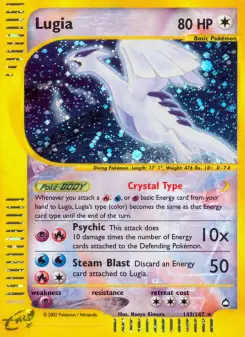
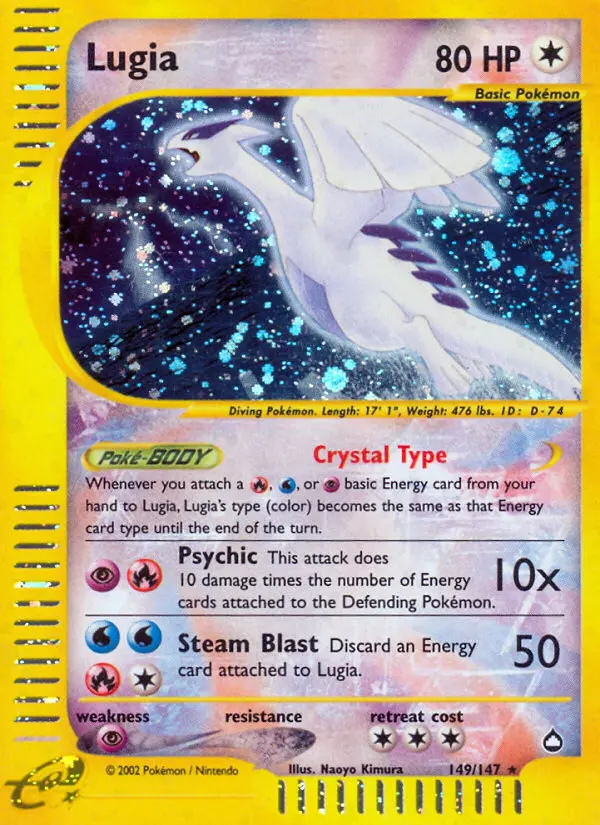
Lugia 149Aquapolis
Pokémon at a glance
The dearest single card in the record, at $4,500.00. Every other figure below is counted from the same 20,444 cards.
7,577 of 19,649 cards sit in «Under $1»



The Pokémon card record at a glance



The 12 properties this site cuts the record by — pick one and only those cards remain
Every bar above is counted from the same 20,444 cards, read on August 14, 2026. Picking a property opens its list of values; picking a value opens just those cards.
- Cards on file20,444Every English card our copy of the card files holds, read on August 14, 2026.
- Cards with a price19,65696.1% of the record carries a dated market price. The rest has none we can stand behind.
- Ways to sort them12Each one cuts the same record by a different property printed on the card.
- Groups you can open583Every group holds at least 24 cards, so none of them is a near-empty page.
- Finest way to sort206Groups by pokédex number — the sort that splits the record into the most parts.
- Typical group price$3.52The middle of the 583 group medians, which run from $0.21 to $1,067.00.
What this part of the site holds
- The record. 20,444 English Pokémon cards, read from our own copy of the openly published card files on August 14, 2026. Every figure on every page below is counted from this same record.
- Prices. 19,656 cards carry a dated market price, or 96.1% of the record. Prices sit on the group pages and on individual card pages, never as one site-wide average.
- How it is sorted. 12 properties printed on the card each cut the record a different way, opening 583 groups in total.
- Why some groups are missing. A group needs at least 24 cards before it gets a page. Below that, a page would say almost nothing, so we do not make one.
- What is not here. We publish no print run figures, no pack odds and no graded population counts. The rights holder does not release them and no open dataset exists, so any such number would be invented.
- Not an official Pokémon site. This is an independent reference. Card names and set names are used only to identify the cards being described.
Each bar is measured against the whole record of 20,444 cards, read on August 14, 2026.
The narrower a group is, the more a page about it can say that no wider page could.
| Group | Share | Value |
|---|---|---|
| No filter — the whole record | 100.0% | 20,444 cards |
| One property — Retreat cost 0 | 4.5% | 914 cards |
| Two properties at once — Lightning and retreat cost 0 | 0.7% | 142 cards |
What this Pokémon card record holds — 20,444 cards, sorted 12 ways
The card on the left is the most expensive card anywhere in the record; the six run in order of price from there. Each one opens the smallest group it leads.
| Sorted by | Groups with a page | Cards reached | Biggest group |
|---|---|---|---|
| Rarity | 29 | 20,049 | Common (5,334) |
| Print variant | 5 | 19,649 | Normal (11,021) |
| Pokédex number | 206 | 7,142 | Pikachu (177) |
| Regulation mark | 7 | 8,194 | Regulation G (1,634) |
| Energy type | 11 | 17,249 | Water (2,435) |
| Set | 145 | 20,033 | SWSH Black Star Promos (304) |
| Artist | 130 | 17,027 | 5ban Graphics (1,615) |
| Evolution stage | 5 | 16,955 | Basic (9,991) |
| Card mechanic | 28 | 7,208 | Supporter (1,166) |
| Attack cost | 6 | 17,262 | Attack cost 1 (9,392) |
| Attack damage | 6 | 16,246 | Damage ~30 (6,938) |
| Retreat cost | 5 | 17,240 | Retreat cost 1 (8,503) |
Counted from 20,444 cards on file, read on August 14, 2026. A card carries several of these properties at once, so the middle column counts the same card under more than one row.
Why the size of the record is not the point
The number that decides what you can actually find here is not 20,444 cards but 583 groups. A pile of cards answers nothing; the same pile cut 12 ways, into groups that each hold at least 24 cards, is what lets you start from the one thing you already know about the card in your hand.
How Pokémon cards changed over 28 years of printing
Bar height and the number above each bar = cards that year; the two digits below = the year.
Each column is one year, and its height is how many cards that year holds against 2023, the heaviest year. Hover or tap a column for that year’s figures. Counted by taking every set on file, reading the year it was released, and adding up the cards in it — 20,033 cards across 28 years, which is the whole record. The average HP and damage in each tooltip are the averages of the sets released that year, weighted by how many cards each set holds.
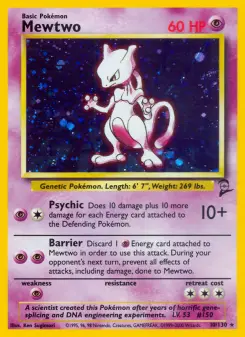 Mewtwo
59.9 → 148.0
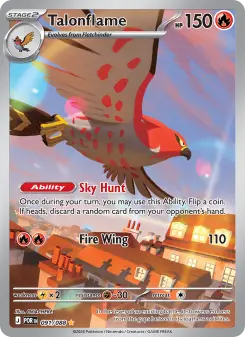 Talonflame
Both cards are the ones whose printed HP sits closest to their own year’s average, chosen among the cards we hold a picture of. They are deliberately ordinary cards, not the strongest of their year — a headline card would contradict the average it is standing for.
- Still being printed — the bar reaches 2026
- Stopped — the bar ends at that marking’s last year
Each bar spans the years that marking was printed in, not how many cards carry it. Every bar lies on the same ruler, so the left edge of the strip is 1999 and the right edge is 2026 — the two years written under it. The figures beside each name are card counts, and they do not change the bar.
The rule-box marking printed on a card is its own kind of clock. Of the 33 markings on file, the 10 biggest are laid on the same 1999–2026 ruler above. The solid bars are the 6 still appearing on 2026 cards; the faded ones are the 4 whose last card came earlier (V 2023 · GX 2021 · EX 2021 · VMAX 2023). A marking that stopped does not vanish from the site — the cards keep their value and their pages stay open.
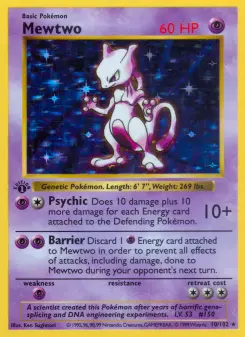 1999BaseThe earliest year the record reaches281 cards
- 2000Gym HeroesThe year cards were at their smallest on average588 cards
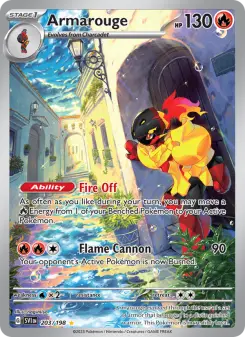 2023Paldea EvolvedThe heaviest year — more cards printed than any other1,635 cards
- 2026Ascended HeroesThe most recent year on file661 cards
The cards are still getting bigger
Average printed HP climbs from 59.9 in 2000 to 148.0 in 2026, and 2026 is the most recent year on file — so on this record the line has not turned back down yet. A card printed today carries roughly 2.5 times the HP of one printed in 2000.
This is the sort of thing no single card page and no single group page can show you. A card page knows one card; a group page knows one property. Only the whole record, cut by the year each set came out, has this shape.
Every way to sort Pokémon cards on this site
- Rarity29 groupsRarity is the grade recorded with each card in the card files this site reads. Every English card carries one, so the archive splits into rarity tiers without anything left over.
- Print variant5 groupsA print variant is the finish a card was sold in. The same artwork can be issued in more than one finish, and each finish keeps its own price record, so the two are priced apart.
- Pokédex number206 groupsThe Pokédex number ties every print of the same Pokémon together, whatever the set is called and whatever extra words the card name carries. Grouping by the number keeps prints of one Pokémon in one place instead of scattering them by name.
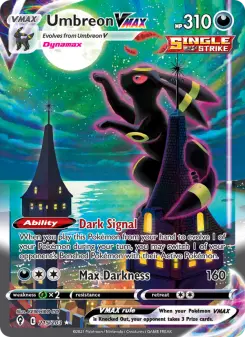 Regulation mark7 groupsThe regulation mark is the single letter recorded with each modern card. Older prints carry no mark at all, so this axis covers only the part of the archive that has one.
- Energy type11 groupsThe energy type is the element recorded for each Pokémon card. Trainer and energy cards carry none, so this axis covers only the Pokémon part of the archive.
- Set145 groupsA set is the expansion a card was printed in, and every card in the card files this site reads names exactly one. Sorting by set puts each release back together the way it was sold, so a card can be read next to the cards it shared a pack with.
- Artist130 groupsThe artist is the illustrator credited on the printed card, recorded with each card in the card files this site reads. One illustrator can appear across many expansions and many decades, so this axis cuts the archive by hand rather than by release.
- Evolution stage5 groupsThe stage is where a card stands in an evolution line, recorded with each card in the card files this site reads. Trainer and energy cards carry no stage, so this axis covers only the Pokémon part of the archive.
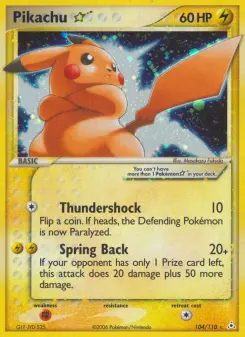 Card mechanic28 groupsA mechanic is the special kind a card is printed as — V, VMAX and ex among Pokémon, Item, Supporter and Stadium among Trainers — recorded with each card in the card files this site reads. Evolution stages are counted on their own, and a plain card carries no mechanic at all, so this axis covers only the part of the archive that has one.
- Attack cost6 groupsThe attack cost is how many energy a card's cheapest attack asks for, counted from the energy printed on each attack in the card files this site reads. Cards with no attack carry none, so this axis covers only the part of the archive that attacks.
- Attack damage6 groupsThe damage figure is the highest number any of a card's attacks prints, gathered here into ranges rather than counted one number at a time. Attacks that print no number carry none, so this axis covers only the part of the archive that prints damage.
- Retreat cost5 groupsThe retreat cost is how many energy a card asks for to retreat, counted from the retreat cost recorded with each card in the card files this site reads. Cards with no retreat cost on file carry none, so this axis covers only the part of the archive that has one.












| ● | Common | 5,334 | 26.1% |
| ◆ | Uncommon | 4,888 | 23.9% |
| ★ | Rare | 2,562 | 12.5% |
| ★H | Rare Holo | 1,617 | 7.9% |
| – | Promo | 1,220 | 6.0% |
| ★U | Rare Ultra | 798 | 3.9% |
| – | The other 23 marks illustration rare, hyper rare and the rest | 3,630 | 17.8% |
Why a group you expected might not be here
A group only gets its own page once it holds at least 24 cards, enough of them carry a price, and enough have a picture on file. Below those marks the page would be a title and a near-empty table, which helps nobody.
That is why the 12 sorts open 583 groups rather than every value that appears anywhere in the record. The cards in a group that is too small are still on file and still counted in the totals on this page — they simply do not get a page of their own yet.
How much of the Pokémon card archive each sort covers
Each bar is measured against the whole record, so the empty part of a bar is the share that sort does not reach. Counted from 20,444 cards on file across 12 sorts, read on August 14, 2026.
A card can appear under several sorts at once, so these bars are not parts of a whole and do not add up to the archive.
| Group | Share | Value |
|---|---|---|
| Rarity | 98.1% | 20,049 cards |
| Print variant | 96.1% | 19,649 cards |
| Pokédex number | 34.9% | 7,142 cards |
| Regulation mark | 40.1% | 8,194 cards |
| Energy type | 84.4% | 17,249 cards |
| Set | 98.0% | 20,033 cards |
| Artist | 83.3% | 17,027 cards |
| Evolution stage | 82.9% | 16,955 cards |
| Card mechanic | 35.3% | 7,208 cards |
| Attack cost | 84.4% | 17,262 cards |
| Attack damage | 79.5% | 16,246 cards |
| Retreat cost | 84.3% | 17,240 cards |
| Sorted by | Groups | Cards reached | Share of the record |
|---|---|---|---|
| Rarity | 29 | 20,049 | 98.1% |
| Print variant | 5 | 19,649 | 96.1% |
| Pokédex number | 206 | 7,142 | 34.9% |
| Regulation mark | 7 | 8,194 | 40.1% |
| Energy type | 11 | 17,249 | 84.4% |
| Set | 145 | 20,033 | 98.0% |
| Artist | 130 | 17,027 | 83.3% |
| Evolution stage | 5 | 16,955 | 82.9% |
| Card mechanic | 28 | 7,208 | 35.3% |
| Attack cost | 6 | 17,262 | 84.4% |
| Attack damage | 6 | 16,246 | 79.5% |
| Retreat cost | 5 | 17,240 | 84.3% |
The widest reach belongs to rarity at 98.1% of the record; the finest split belongs to pokédex number, which opens 206 separate groups.
Why the bars are so different in length
Two things shorten a bar. Some properties are only printed on part of the record — a regulation mark appears on modern cards and nowhere else, and a Pokédex number belongs to Pokémon cards but not to trainer or energy cards. Other bars are shortened because many of their groups are too small to open.
So a short bar does not mean the sort is less useful. It means that sort answers a question about a narrower slice of the 20,444 cards on file.
The 11 Pokémon energy types, and the one that stopped
Fairy stopped
The last Fairy card in the record was printed in 2021, and 237 cards carry that type. Every other type is still being printed, so this is the one group on the site that cannot grow.
This card is the most expensive of the 237 Fairy cards left. Its group is closed, so nothing new will ever be added beside it.
One card from each of the six biggest types, in the same order as the bars. The symbol beside each name is the energy symbol printed on that card, and the card on the left belongs to Water, the largest type.
A type tells you what a card loses to, not just what it is
Type is the property most people can read off a card without knowing anything else about it, which is why it is usually the fastest way in. It also decides what the card is weak to, so the group page for a type carries the matchup as well as the count.
Fairy arrived last, in 2013, and is still being printed. That is the other half of the story the bars tell: this record is not a fixed set of eleven equal boxes.
Everything Pokémon covers, and how much of it there is
The bar under each panel is how much of the 20,444 cards on file that sort reaches, drawn against the widest one. A card carries several of these properties at once, so the bars are not parts of a whole.
Written guides — the part that is not counted from data
These are read, not sorted, so they sit in their own band rather than in the panels above.
- Standard, Expanded and Unlimited formats2,917 Standard-legal cardsWhich of your Pokémon cards you are allowed to play, and how the yearly rotation decides it.
- How to build a Pokémon deck60 cards exactlyThe 60-card rules straight from the official rulebook, checked against the cards that are actually legal.
- Pokémon card rarity, counted38 rarities countedEvery rarity printed on an English Pokémon card, with how many cards carry it.
- What the symbols on a Pokémon card mean20,444 cards readEvery mark printed on the card — energy, weakness, retreat, set symbol and regulation mark.
- How to tell a fake Pokémon card174 expansions on fileWhat the official guidance says, plus the printed details you can check against a full catalogue.
Every panel above opens a different way of cutting the same 20,444 cards. The widest is rarity, which reaches 98.1% of the record; the finest is pokédex number, which splits it into 206 separate groups. A group only gets a page once it holds at least 24 cards and enough of them carry a price and a picture, which is why the panels add up to 583 groups rather than to every value that appears anywhere in the files.
Individual cards have pages of their own, and the two moving lists further down open them directly. The card files hold 20,444 cards; the group pages stay in place because one card cannot tell you what the cards printed alongside it are worth, which is the range a group page counts.
What a Pokémon card is actually worth
All 19,649 priced Pokémon cards, by price band — read August 14, 2026
The tallest bar is where an ordinary card sits. A card can be worth far more than its band suggests once condition and grading are taken into account, which is why every group page carries a range rather than a single figure.
| Price band | Cards | Share | Running share |
|---|---|---|---|
| Under $1 | 7,577 | 38.6% | 38.6% |
| $1 to $5 | 4,372 | 22.3% | 60.8% |
| $5 to $20 | 3,793 | 19.3% | 80.1% |
| $20 to $50 | 1,940 | 9.9% | 90.0% |
| $50 to $100 | 936 | 4.8% | 94.8% |
| $100 to $500 | 914 | 4.7% | 99.4% |
| $500 and up | 117 | 0.6% | 100.0% |
The running share answers the question people actually ask: what fraction of Pokémon cards is worth less than this. Cards with no price at all are left out of the count rather than entered as zero.
Most Pokémon cards are worth very little. Of the 19,649 cards carrying a price, 7,577 sit under $1 — that is 38.6% of everything on file. The cards people talk about are real, but they are the thin end of a very long tail, and a price you see quoted for one printing rarely describes the copy in your hand.
Are Pokémon cards going up in value?
| Reading date | Typical card price | Where it started |
|---|---|---|
| 12 Sep 25 | 1.58 | |
| 10 Oct 25 | 1.63 | |
| 7 Nov 25 | 1.62 | |
| 5 Dec 25 | 1.64 | |
| 2 Jan 26 | 1.65 | |
| 30 Jan 26 | 1.72 | |
| 27 Feb 26 | 1.78 | |
| 27 Mar 26 | 1.85 | |
| 24 Apr 26 | 1.96 | |
| 22 May 26 | 2.12 | |
| 19 Jun 26 | 2.28 | |
| 17 Jul 26 | 2.36 | |
| 14 Aug 26 | 2.42 |
Taken as a whole the record rose, from a typical $1.58 to $2.42 across the 11 months on file — +53.2%. That is the middle card moving, not the famous ones: a median cannot be dragged by a single sale, which is exactly why we publish it instead of an average.
A rising middle does not mean your card rose. Individual cards move in both directions inside a rising record, which is what the next section shows.
Which Pokémon cards moved most since yesterday?
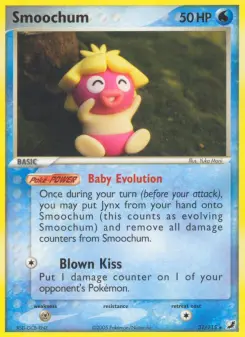
- Smoochum (31/115)EX Unseen Forces+131.6%$63.77
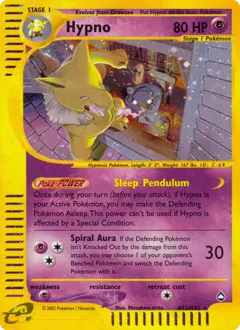
- Hypno H12 (H12/H32)Aquapolis+97.0%$229.99
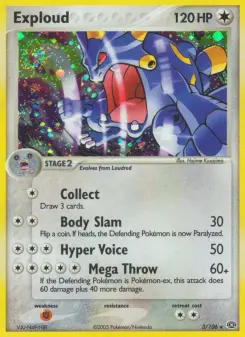
- Exploud (3/106)EX Emerald+66.2%$40.00
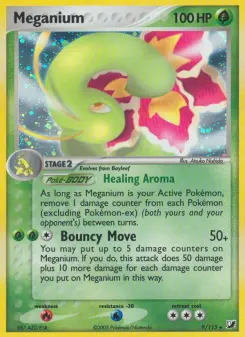
- Meganium (9/115)EX Unseen Forces+57.2%$55.00
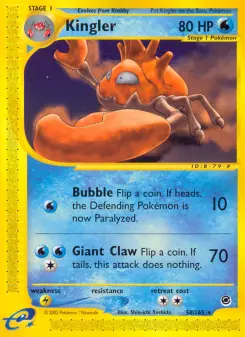
- Kingler 50 (050/165)Expedition+46.2%$11.77
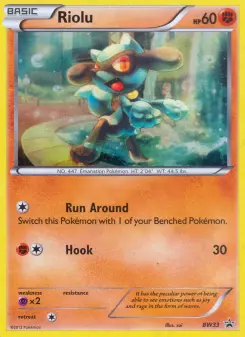
- Riolu (BW33)Black and White Promos+36.7%$19.39
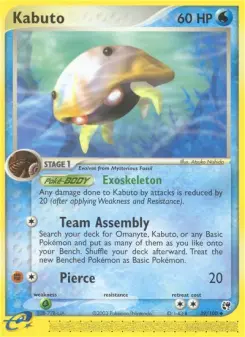
- Kabuto (39/100)EX Sandstorm-63.0%$11.83
- Night Stretcher (061/064)SV: Shrouded Fable-37.8%$3.19
- Slowpoke (23/108)Dark Explorers-22.7%$9.30
- Victory Cup BW29 Battle Road Autumn 2012 3rd Place (BW29)Black and White Promos-19.7%$40.15
- Flareon ex 014 131 (014/131)SV: Prismatic Evolutions-18.4%$4.62
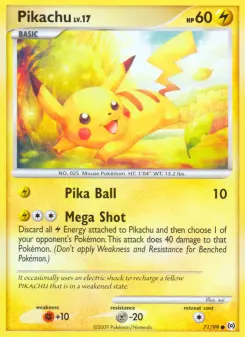
- Pikachu (71/99)Arceus-17.0%$29.06
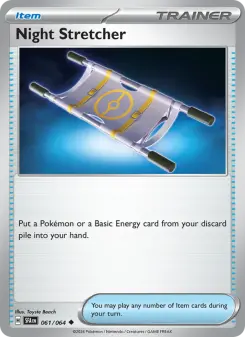
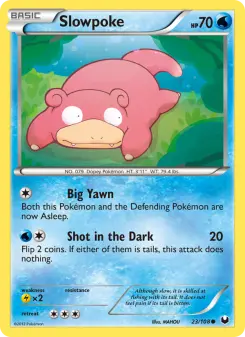
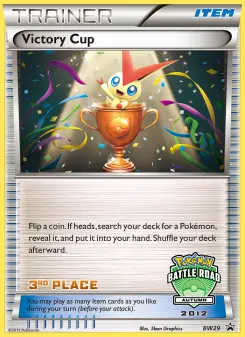
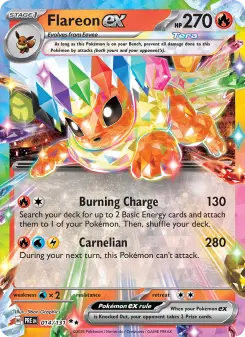
Both lists are recalculated once a day, after the source archive is refreshed — the readings compared here are August 13, 2026 against August 14, 2026 across 30,444 price listings (spanning 19,656 priced cards — some cards carry more than one print listing). Cards under $5 are left out of the ranking, because a one-cent move on a card worth a few cents becomes a double-digit percentage and would bury everything else.
| Card | Set it came from | Move | Day before | Latest |
|---|---|---|---|---|
| Smoochum 31/115 | Unseen Forces | +131.6% | $27.54 | $63.77 |
| Hypno H12 H12/H32 | Aquapolis | +97.0% | $116.76 | $229.99 |
| Exploud 3/106 | Emerald | +66.2% | $24.07 | $40.00 |
| Meganium 9/115 | Unseen Forces | +57.2% | $34.99 | $55.00 |
| Kingler 50 050/165 | Expedition Base Set | +46.2% | $8.05 | $11.77 |
| Riolu BW33 | BW Black Star Promos | +36.7% | $14.18 | $19.39 |
| Kabuto 39/100 | Sandstorm | -63.0% | $32.01 | $11.83 |
| Night Stretcher 061/064 | Shrouded Fable | -37.8% | $5.13 | $3.19 |
| Slowpoke 23/108 | Dark Explorers | -22.7% | $12.03 | $9.30 |
| Victory Cup BW29 Battle Road Autumn 2012 3rd Place BW29 | BW Black Star Promos | -19.7% | $49.99 | $40.15 |
| Flareon ex 014 131 014/131 | Prismatic Evolutions | -18.4% | $5.66 | $4.62 |
| Pikachu 71/99 | Arceus | -17.0% | $35.00 | $29.06 |
The set name opens the group of cards printed in that expansion, which is where the price range for cards like this one is counted. A single day is noise, not a trend — the line in the section above is the measure that survives one bad reading.
Back to summaryThe Pokémon, sets and illustrators with the most cards
$29.06
Pikachu
2
 $84.29
Charizard
3
No image
$10.23
Unown
4
$84.29
Charizard
3
No image
$10.23
Unown
4
 $44.97
Mewtwo
5
$44.97
Mewtwo
5
 $10.23
Eevee
6
$10.23
Eevee
6
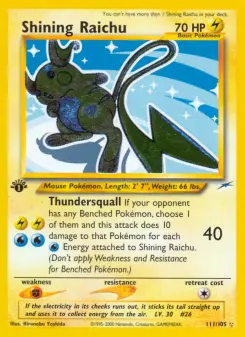 $28.01
Raichu
7
$28.01
Raichu
7
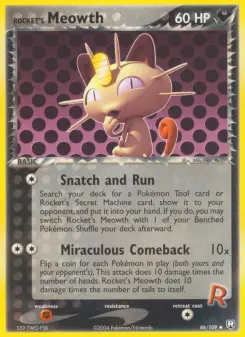 $4.22
Meowth
8
$4.22
Meowth
8
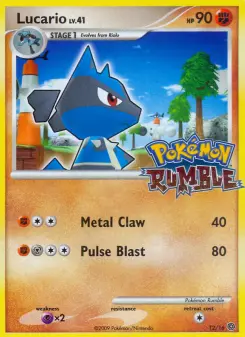 $18.25
Lucario
9
$18.25
Lucario
9
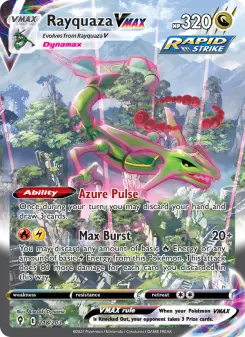 $125.27
Rayquaza
10
$125.27
Rayquaza
10
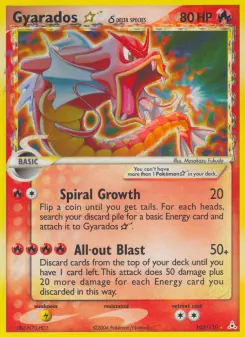 $39.65
Gyarados
11
$39.65
Gyarados
11
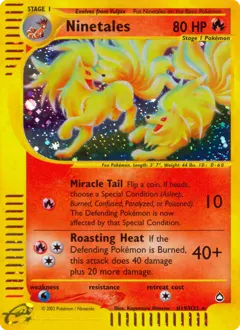 $19.66
Ninetales
12
$19.66
Ninetales
12
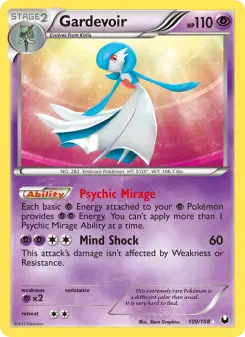 $21.89
Gardevoir
$21.89
Gardevoir
Every printing of the same Pokémon kept together, whatever the card is called. Each picture is the dearest card in that group and opens it. Typical price is the middle card of the group, read on August 14, 2026.
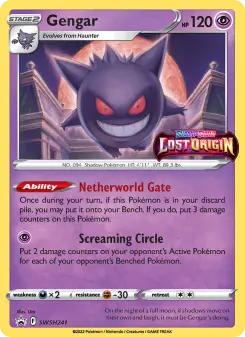 $4.61
SWSH Black Star Promos
2
$4.61
SWSH Black Star Promos
2
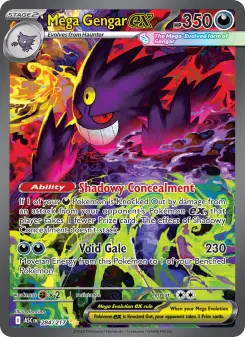 $0.36
Ascended Heroes
3
$0.36
Ascended Heroes
3
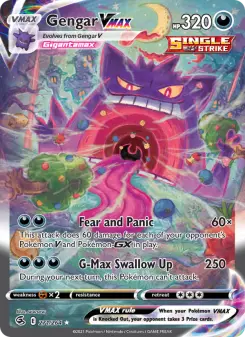 $0.31
Fusion Strike
4
$0.31
Fusion Strike
4
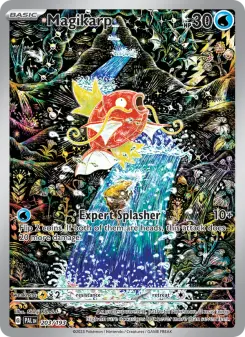 $0.27
Paldea Evolved
5
$0.27
Paldea Evolved
5
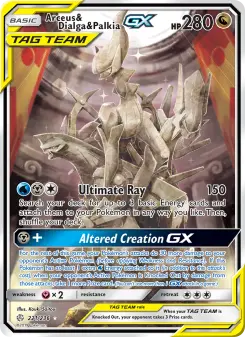 $1.24
Cosmic Eclipse
6
$1.24
Cosmic Eclipse
6
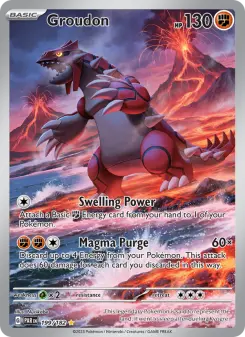 $0.27
Paradox Rift
7
$0.27
Paradox Rift
7
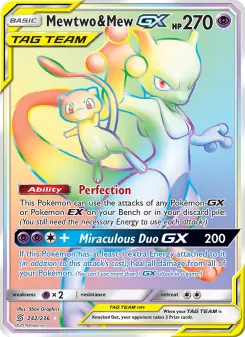 $0.70
Unified Minds
8
$0.70
Unified Minds
8
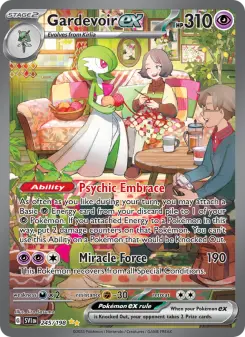 $0.24
Scarlet & Violet
9
$0.24
Scarlet & Violet
9
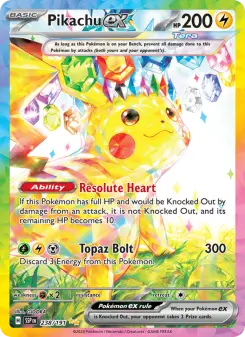 $0.31
Surging Sparks
10
$0.31
Surging Sparks
10
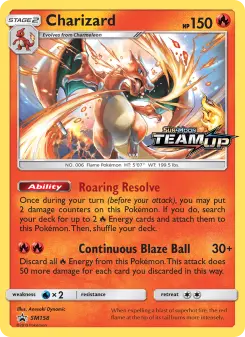 $17.12
SM Black Star Promos
11
$17.12
SM Black Star Promos
11
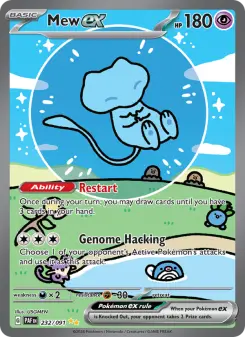 $2.56
Paldean Fates
12
$2.56
Paldean Fates
12
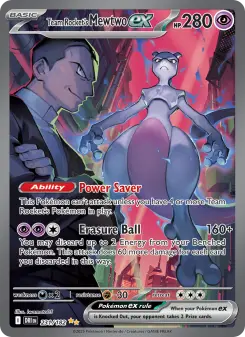 $0.32
Destined Rivals
$0.32
Destined Rivals
The expansion symbol on the card is the fastest way in if you know where it came from. Each picture is the dearest card in that group and opens it. Typical price is the middle card of the group, read on August 14, 2026.
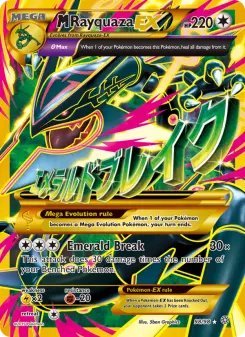 $4.97
5ban Graphics
2
$4.97
5ban Graphics
2
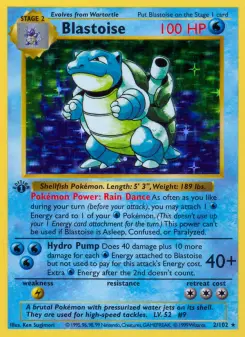 $6.35
Ken Sugimori
3
$6.35
Ken Sugimori
3
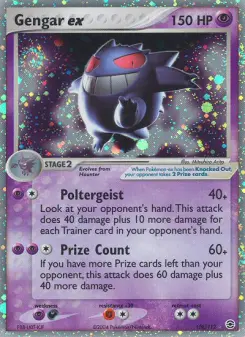 $10.63
Mitsuhiro Arita
4
$10.63
Mitsuhiro Arita
4
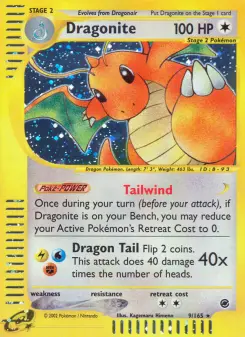 $5.29
Kagemaru Himeno
5
$5.29
Kagemaru Himeno
5
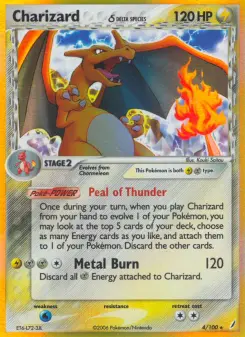 $2.62
Kouki Saitou
6
$3.34
Masakazu Fukuda
7
$2.62
Kouki Saitou
6
$3.34
Masakazu Fukuda
7
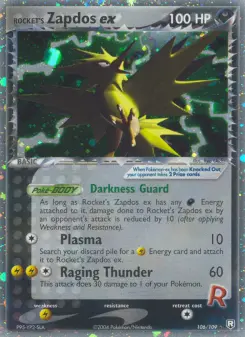 $12.48
Ryo Ueda
8
$12.48
Ryo Ueda
8
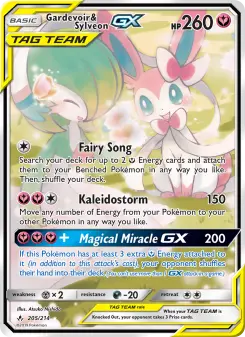 $7.78
Atsuko Nishida
9
$7.78
Atsuko Nishida
9
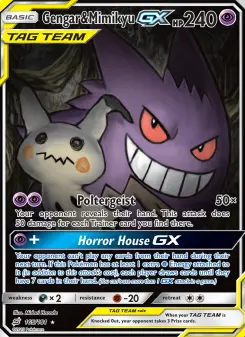 $4.98
Midori Harada
10
$4.98
Midori Harada
10
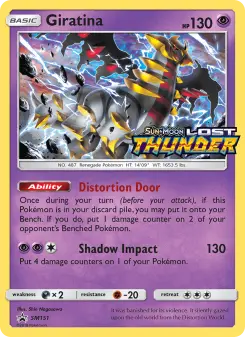 $0.99
Shin Nagasawa
11
$0.99
Shin Nagasawa
11
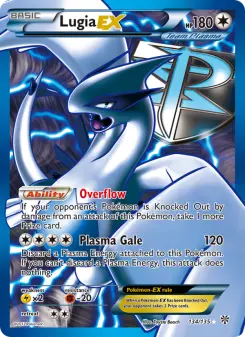 $0.53
Toyste Beach
12
$0.53
Toyste Beach
12
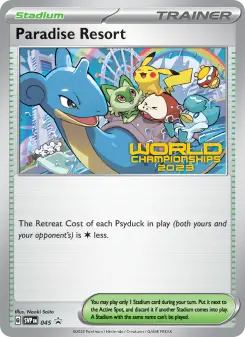 $2.81
Naoki Saito
$2.81
Naoki Saito
The name printed under the artwork. Some illustrators carry a premium of their own. Each picture is the dearest card in that group and opens it. Typical price is the middle card of the group, read on August 14, 2026.
Card names repeat across decades. There are 106 cards on file called Charizard alone, printed in different sets, at different rarities and at wildly different prices, so a name on its own never identifies a card. Each picture above opens the group that name belongs to, where the range is counted across every printing in it.
What the Pokémon card record is made of
The 10 largest rarity tiers, by number of cards — read August 14, 2026
Bars are counts of cards, not prices. A tier being common does not make its cards cheap — the rarest tiers are small precisely because few cards were printed at them.
Every energy type, by number of cards — read August 14, 2026
Trainer and energy cards carry no Pokémon type, so this bar set covers less of the record than the rarity one above.
| Sorted by | Groups | Cards reached | Share of the record | Typical price, low to high |
|---|---|---|---|---|
| Rarity | 29 | 20,049 | 98.1% | $0.52 – $1,067.00 |
| Print variant | 5 | 19,649 | 96.1% | $0.35 – $133.98 |
| Pokédex number | 206 | 7,142 | 34.9% | $0.54 – $160.00 |
| Regulation mark | 7 | 8,194 | 40.1% | $0.26 – $0.65 |
| Energy type | 11 | 17,249 | 84.4% | $1.42 – $3.75 |
| Set | 145 | 20,033 | 98.0% | $0.21 – $80.30 |
| Artist | 130 | 17,027 | 83.3% | $0.23 – $129.99 |
| Evolution stage | 5 | 16,955 | 82.9% | $1.90 – $94.61 |
| Card mechanic | 28 | 7,208 | 35.3% | $0.55 – $1,010.00 |
| Attack cost | 6 | 17,262 | 84.4% | $1.81 – $20.52 |
| Attack damage | 6 | 16,246 | 79.5% | $1.96 – $5.90 |
| Retreat cost | 5 | 17,240 | 84.3% | $2.26 – $5.20 |
A card carries several of these properties at once, so the shares do not add up to 100%. The price column is the range of group medians inside that sort, not the range of individual cards.
Back to summaryHow these Pokémon card figures are made
| What was counted | Figure |
|---|---|
| English Pokémon cards on file | 20,444 |
| Cards carrying a dated market price | 19,656 |
| Share of the record with a price | 96.1% |
| Ways the record is sorted | 12 |
| Groups with a page of their own | 583 |
| Smallest group we will publish | 24 cards |
| Days of price history on file | 381 |
| Median price of a typical group | $3.52 |
| Date the record was last read | August 14, 2026 |
We read the card files ourselves rather than repeating figures from elsewhere, so a very new expansion may not be in the count yet.
Read the long version
Our full method, the exact sources we read, and the rules we hold ourselves to are written out in plain language: about this site, where our data comes from, and how we write and check pages.
If you find a figure you believe is wrong, tell us — corrections go through the same five steps as everything else.
Not an official Pokémon site

Pokémon is an independent reference project. It is not affiliated with, endorsed by or sponsored by The Pokémon Company, Nintendo, Creatures Inc., GAME FREAK inc. or any card marketplace.
Pokémon and all related names are trademarks of their respective owners. Card names, set names and card images are used here only to identify the cards being described.
What Pokémon cards actually sell for
What a typical card in each group costs
Each group counts once, by its own middle card. A group with a high median is not necessarily a group of expensive cards — it can be a small group where the few priced cards happen to sit high.
LugiaAquapolis#149$4,500.00Lugia2Pikachu ★Holon Phantoms#104$3,216.67Rare Holo Star3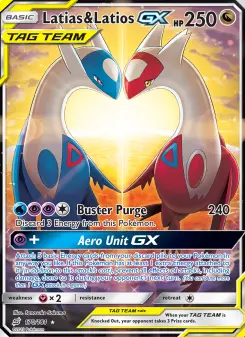 Latias & Latios-GXTeam Up#170$3,157.93Latias4Umbreon VMAXEvolving Skies#215$2,259.47Umbreon5GengarSWSH Black Star Promos#SWSH241$2,199.99Gengar6
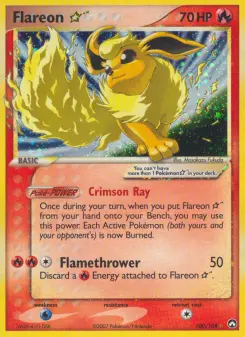 Flareon ★Power Keepers#100$1,999.95Flareon7Gengar & Mimikyu-GXTeam Up#165$1,610.07Midori Harada8
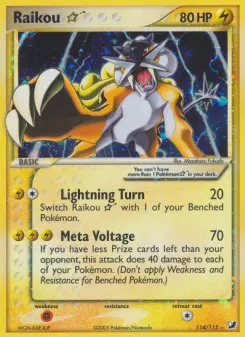 Raikou ★Unseen Forces#114$1,600.00Raikou9
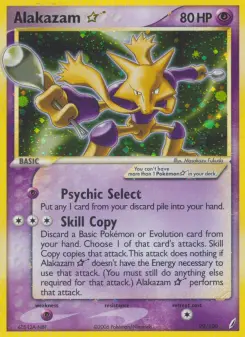 Alakazam ★Crystal Guardians#99$1,500.00Alakazam10
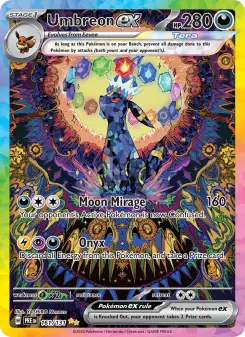 Umbreon exPrismatic Evolutions#161$1,499.24Tera
Every card here is the most expensive card inside at least one of the 583 groups you can open. 429 cards hold that position somewhere in the record; the 10 with the highest price are listed. Read on August 14, 2026.
One card can be the dearest in several groups at once, so each row opens the smallest group that card leads, which is the closest company we can put it in.
Lugia, the dearest card in the Lugia group$4,500.00Pikachu ★, the dearest card in the Rare Holo Star group$3,216.67Latias & Latios-GX, the dearest card in the Latias group$3,157.93Umbreon VMAX, the dearest card in the Umbreon group$2,259.47Gengar, the dearest card in the Gengar group$2,199.99Flareon ★, the dearest card in the Flareon group$1,999.95Gengar & Mimikyu-GX, the dearest card in the Midori Harada group$1,610.07Raikou ★, the dearest card in the Raikou group$1,600.00Alakazam ★, the dearest card in the Alakazam group$1,500.00Umbreon ex, the dearest card in the Tera group$1,499.24Shining Charizard, the dearest card in the Hironobu Yoshida group$1,495.00Gengar ex, the dearest card in the FireRed & LeafGreen group$1,399.99The 12 dearest of those cards, with the market price read on August 14, 2026. Hover one to see it larger; open it to reach the group it leads.
Lugia (Aquapolis #149) — the dearest card on file, and the card that leads the Lugia group.
| What was measured | Figure |
|---|---|
| Cards on file | 20,444 |
| Cards carrying a dated price | 19,656 |
| Share of the record with a price | 96.1% |
| Lowest group median | $0.21 |
| Middle group median | $3.52 |
| Highest group median | $1,067.00 |
Every price is a market figure read on August 14, 2026 and stamped with that date. We publish no forecast and no valuation of your collection.
Read the range, not the average
Across the whole record the middle group sits at $3.52, but the group medians run from $0.21 all the way to $1,067.00. An average taken across that spread would describe no real card, so we do not publish one.
The dearest single card in the record is Lugia from the Aquapolis expansion, at $4,500.00. It sits inside the rarity tier group it shares with 20,048 other cards, where the middle card costs far less — which is the whole reason we show a range for every group instead of one headline number.
Pokémon card sets — 145 of them have a page here
The eight largest of the 145 sets that have a page, measured against the largest. Counted on August 14, 2026.
A set is counted here at the number of cards our copy of the card files holds for it, which includes cards printed beyond the numbered run.
| Group | Share | Value |
|---|---|---|
| SWSH Black Star Promos | — | 304 cards |
| Ascended Heroes | — | 295 cards |
| Fusion Strike | — | 284 cards |
| Paldea Evolved | — | 279 cards |
| Cosmic Eclipse | — | 272 cards |
| Paradox Rift | — | 266 cards |
| Unified Minds | — | 261 cards |
| Scarlet & Violet | — | 258 cards |
One card from each of the six sets above, in the same order. The card on the left comes from SWSH Black Star Promos, the biggest set; each is the most expensive card its own set holds.
Big sets are all much the same size
46 cards separate the biggest set from the eighth biggest, out of 304 and 258 cards respectively. Among the large releases, size barely varies — so size is not what tells them apart.
What does tell them apart is the mix: which rarities a box is built from, which types dominate it, and how much of it carries a price. That is the work of a set page, and it is why we open one per set rather than a single league table of sizes.
Pokémon card illustrators — 130 of them have a page here
The card on the left is by 5ban Graphics, who has 1,615 cards in the record — more than anyone else. Each card here is the dearest one its own illustrator drew.
Illustrators with the most cards on file
130 illustrators have enough cards for a page of their own, between them covering 17,027 cards.
| Group | Share | Value |
|---|---|---|
| 5ban Graphics | — | 1,615 cards |
| Ken Sugimori | — | 1,108 cards |
| Mitsuhiro Arita | — | 718 cards |
| Kagemaru Himeno | — | 656 cards |
| Kouki Saitou | — | 652 cards |
| Masakazu Fukuda | — | 472 cards |
| Ryo Ueda | — | 463 cards |
| Atsuko Nishida | — | 407 cards |
Bars are measured against the busiest illustrator, so the length reads as share of that person rather than share of the archive.
Why the illustrator is worth sorting by
The record holds 1,615 cards credited to 5ban Graphics, the first from 2011 and the most recent from 2026. Sorting by set puts a card next to whatever shared its pack; sorting by illustrator puts it next to the rest of that person’s work, which is a different question and often the one collectors are actually asking.
How hard Pokémon cards hit — the record put in order
The card on the left comes from the hardest-hitting band and they descend from there. Each is the most expensive card inside its own band, not the hardest hitter in it.
The 6 damage bands with a page, measured against the largest. Counted from 16,246 cards that print a damage figure, read on August 14, 2026.
Cards whose attacks print no number carry no damage figure at all and are outside these bands.
| Group | Share | Value |
|---|---|---|
| Damage ~30 | — | 6,938 cards |
| Damage 40~60 | — | 3,566 cards |
| Damage 70~120 | — | 3,535 cards |
| Damage 130~180 | — | 1,461 cards |
| Damage 190~250 | — | 621 cards |
| Damage 260+ | — | 125 cards |
A rank is only readable against the spread
Most of the record sits in the lowest band: 6,938 of the 16,246 cards that print damage are in Damage ~30. That is what makes the top of the table interesting — the heavy hitters are a thin tail, not the normal case.
So a ranking page here always carries the distribution beside the order. Knowing a card is 41st means nothing until you know whether 41st is near the top or halfway down.
What happens when two Pokémon card properties are stacked
Lightning covers 1,520 cards and Retreat cost 0 covers 914 cards. 142 cards satisfy both at once, which is 9.3% of the first group, 15.5% of the second and 0.69% of the whole record.
The circles are drawn so that area matches the number of cards, not width. The left circle is Lightning at 1,520 cards, the right is Retreat cost 0 at 914 cards, and the solid overlap is the 142 cards that are both.
The same 142 cards read as 9.3% of the first group but 15.5% of the second. Which side you stand on changes the share by more than double, which is why neither parent page can answer for the overlap.
Against the whole record it is 0.69%. A slice that narrow is invisible on either parent page, so it needs a page of its own before anyone can find it.
Cards that are both at once, counted from the files rather than worked out.Why two properties cannot be worked out from one
Multiplying the two shares together would give roughly 68 cards. The real figure counted from the files is 142. The gap is the whole point: the two properties are not independent, and no arithmetic on the parent pages recovers the true number. It has to be counted.
What the printing on a Pokémon card actually does
| Question | What the rulebook says | What it turns on here |
|---|---|---|
| How many energy can you play per turn? | You can attach Energy just once each turn! | 17,249 cards sorted by energy type |
| What does weakness mean on pokemon cards? | Some Pokemon have Weakness or Resistance to Pokemon of certain types, marked in the lower-left corner of the card. | 17,249 cards sorted by energy type |
| What does retreat mean on pokemon cards? | Retreat your Active Pokemon (only once per turn). | 17,240 cards sorted by retreat cost |
| Pokemon tcg first turn supporter rule? | The player who goes first cannot play a Supporter card on their first turn. | 8,194 cards sorted by regulation mark |
| Can you evolve a pokemon on your first turn? | Neither player can evolve a Pokemon on its first turn in play. | 16,955 cards sorted by evolution stage |
The middle column is quoted from the published rulebook without alteration. The right-hand column counts cards in our own record, not in the rulebook.
- Energy type11 groupsHow many energy can you play per turn?
- Retreat cost5 groupsWhat does retreat mean on pokemon cards?
- Regulation mark7 groupsPokemon tcg first turn supporter rule?
- Evolution stage5 groupsCan you evolve a pokemon on your first turn?
A rule is a sentence; a sort is a pile of cards
These two halves need each other. Reading that retreat happens once per turn tells you nothing about how many cards can retreat for free, and a list of free-retreat cards tells you nothing about why that matters. So the wording sits here and the cards sit on the group pages, with each pointing at the other.
Every Pokémon card sort opened up — 583 groups across 12 properties
Rarity
29 rarity tiers have a page of their own here, covering 20,049 cards between them. The biggest is Common at 5,334 cards.
| Group | Share | Value |
|---|---|---|
| Common | — | 5,334 cards |
| Uncommon | — | 4,888 cards |
| Rare | — | 2,562 cards |
| Rare Holo | — | 1,617 cards |
| Promo | — | 1,220 cards |
| Rare Ultra | — | 798 cards |
| Illustration Rare | — | 492 cards |
| Ultra Rare | — | 356 cards |
The eight biggest of 29 groups are shown; the rest are on the sort page itself.
Print variant
5 finishes have a page of their own here, covering 19,649 cards between them. The biggest is Normal at 11,021 cards.
| Group | Share | Value |
|---|---|---|
| Normal | — | 11,021 cards |
| Holofoil | — | 7,484 cards |
| 1st Edition | — | 755 cards |
| Reverse Holofoil | — | 217 cards |
| 1st Edition Holofoil | — | 172 cards |
All 5 groups on this sort are shown.
Pokédex number
206 Pokémon have a page of their own here, covering 7,142 cards between them. The biggest is Pikachu at 177 cards.
| Group | Share | Value |
|---|---|---|
| Pikachu | — | 177 cards |
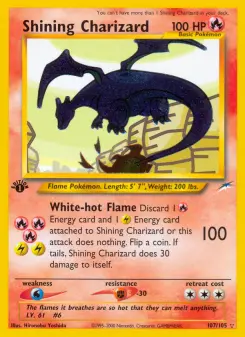
| Charizard | — | 106 cards |
| Unown | — | 95 cards |
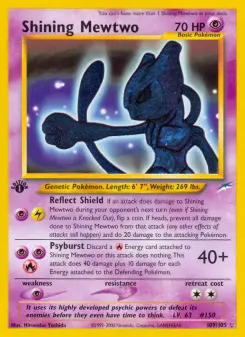
| Mewtwo | — | 85 cards |
| Eevee | — | 82 cards |
| Raichu | — | 71 cards |
| Meowth | — | 60 cards |
| Lucario | — | 59 cards |
The eight biggest of 206 groups are shown; the rest are on the sort page itself.
Regulation mark
7 regulation marks have a page of their own here, covering 8,194 cards between them. The biggest is Regulation G at 1,634 cards.
| Group | Share | Value |
|---|---|---|
| Regulation G | — | 1,634 cards |
| Regulation H | — | 1,283 cards |
| Regulation D | — | 1,261 cards |
| Regulation I | — | 1,215 cards |
| Regulation E | — | 1,202 cards |
| Regulation F | — | 1,180 cards |
| Regulation J | — | 419 cards |
All 7 groups on this sort are shown.
Energy type
11 types have a page of their own here, covering 17,249 cards between them. The biggest is Water at 2,435 cards.
| Group | Share | Value |
|---|---|---|
| Water | — | 2,435 cards |
| Grass | — | 2,387 cards |
| Psychic | — | 2,335 cards |
| Colorless | — | 2,173 cards |
| Fighting | — | 1,884 cards |
| Fire | — | 1,574 cards |
| Lightning | — | 1,520 cards |
| Darkness | — | 1,249 cards |
| Metal | — | 925 cards |
| Dragon | — | 530 cards |
| Fairy | — | 237 cards |
All 11 groups on this sort are shown.
Set
145 sets have a page of their own here, covering 20,033 cards between them. The biggest is SWSH Black Star Promos at 304 cards.
| Group | Share | Value |
|---|---|---|
| SWSH Black Star Promos | — | 304 cards |
| Ascended Heroes | — | 295 cards |
| Fusion Strike | — | 284 cards |
| Paldea Evolved | — | 279 cards |
| Cosmic Eclipse | — | 272 cards |
| Paradox Rift | — | 266 cards |
| Unified Minds | — | 261 cards |
| Scarlet & Violet | — | 258 cards |
The eight biggest of 145 groups are shown; the rest are on the sort page itself.
Artist
130 artists have a page of their own here, covering 17,027 cards between them. The biggest is 5ban Graphics at 1,615 cards.
| Group | Share | Value |
|---|---|---|
| 5ban Graphics | — | 1,615 cards |
| Ken Sugimori | — | 1,108 cards |
| Mitsuhiro Arita | — | 718 cards |
| Kagemaru Himeno | — | 656 cards |
| Kouki Saitou | — | 652 cards |
| Masakazu Fukuda | — | 472 cards |
| Ryo Ueda | — | 463 cards |
| Atsuko Nishida | — | 407 cards |
The eight biggest of 130 groups are shown; the rest are on the sort page itself.
Evolution stage
5 stages have a page of their own here, covering 16,955 cards between them. The biggest is Basic at 9,991 cards.
| Group | Share | Value |
|---|---|---|
| Basic | — | 9,991 cards |
| Stage 1 | — | 5,102 cards |
| Stage 2 | — | 1,749 cards |
| Level-Up | — | 78 cards |
| BREAK | — | 35 cards |
All 5 groups on this sort are shown.
Card mechanic
28 mechanics have a page of their own here, covering 7,208 cards between them. The biggest is Supporter at 1,166 cards.
| Group | Share | Value |
|---|---|---|
| Supporter | — | 1,166 cards |
| ex | — | 942 cards |
| Item | — | 856 cards |
| V | — | 601 cards |
| GX | — | 601 cards |
| EX | — | 438 cards |
| Pokémon Tool | — | 336 cards |
| Stadium | — | 265 cards |
The eight biggest of 28 groups are shown; the rest are on the sort page itself.
Attack cost
6 attack costs have a page of their own here, covering 17,262 cards between them. The biggest is Attack cost 1 at 9,392 cards.
| Group | Share | Value |
|---|---|---|
| Attack cost 1 | — | 9,392 cards |
| Attack cost 2 | — | 4,565 cards |
| Attack cost 3 | — | 2,533 cards |
| Attack cost 4 | — | 421 cards |
| Attack cost 0 | — | 304 cards |
| Attack cost 5 | — | 47 cards |
All 6 groups on this sort are shown.
Attack damage
6 damage ranges have a page of their own here, covering 16,246 cards between them. The biggest is Damage ~30 at 6,938 cards.
| Group | Share | Value |
|---|---|---|
| Damage ~30 | — | 6,938 cards |
| Damage 40~60 | — | 3,566 cards |
| Damage 70~120 | — | 3,535 cards |
| Damage 130~180 | — | 1,461 cards |
| Damage 190~250 | — | 621 cards |
| Damage 260+ | — | 125 cards |
All 6 groups on this sort are shown.
Retreat cost
5 retreat costs have a page of their own here, covering 17,240 cards between them. The biggest is Retreat cost 1 at 8,503 cards.
| Group | Share | Value |
|---|---|---|
| Retreat cost 1 | — | 8,503 cards |
| Retreat cost 2 | — | 4,926 cards |
| Retreat cost 3 | — | 2,168 cards |
| Retreat cost 0 | — | 914 cards |
| Retreat cost 4 | — | 729 cards |
All 5 groups on this sort are shown.
Bars inside a box are measured against that box
Inside each box the longest bar is the biggest group on that sort, so lengths compare values within one property. They are not comparable between boxes — a full bar under a property with 206 groups means something very different from a full bar under one with a handful. The share of the whole archive that each sort reaches is in the coverage table further up.
Fifty Pokémon cards this site holds a picture of
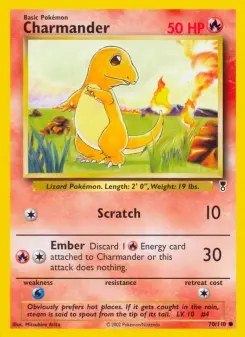 CharmanderLegendary Collection #70Top $616.33RarityPikachu ★Holon Phantoms #104Top $3,216.67Pokédex number
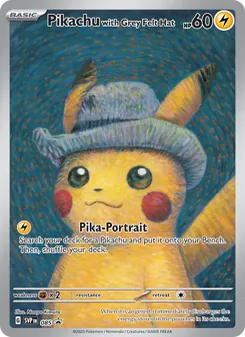 Pikachu with Grey Felt HatScarlet & Violet Black Star Promos #85Top $1,098.71Regulation mark
 Vaporeon ★Power Keepers #102Top $1,399.95Energy typeGengarSWSH Black Star Promos #SWSH241Top $2,199.99SetM Rayquaza-EXAncient Origins #98Top $1,069.91ArtistLugiaAquapolis #149Top $4,500.00Evolution stage
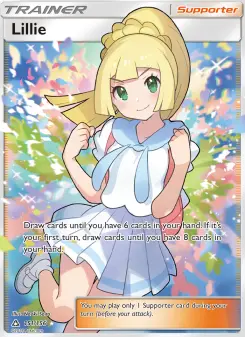 LillieUltra Prism #151Top $462.63Card mechanic
 MagikarpLegendary Collection #52Top $699.99RarityShining CharizardNeo Destiny #107Top $1,495.00Pokédex numberUmbreon exPrismatic Evolutions #161Top $1,499.24Regulation mark
 VenusaurBase #15Top $918.75Energy typeMega Gengar exAscended Heroes #284Top $1,098.16SetBlastoiseBase #2Top $820.00ArtistUmbreon VMAXEvolving Skies #215Top $2,259.47Retreat cost
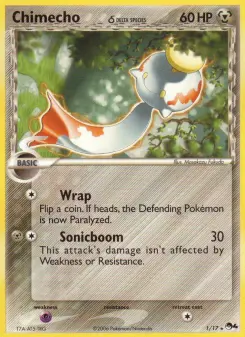 Chimecho δPOP Series 4 #1Top $750.00Rarity
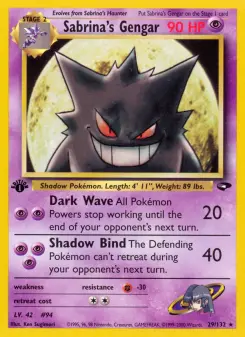 Sabrina's GengarGym Challenge #29Top $272.00Print variant
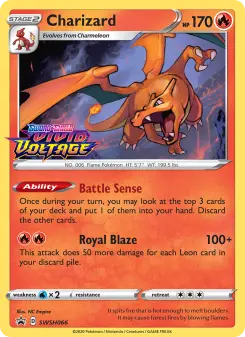 CharizardSWSH Black Star Promos #SWSH066Top $580.92Regulation markGengar VMAXFusion Strike #271Top $1,048.09SetGengar exFireRed & LeafGreen #108Top $1,399.99ArtistRaikou ★Unseen Forces #114Top $1,600.00Attack damage
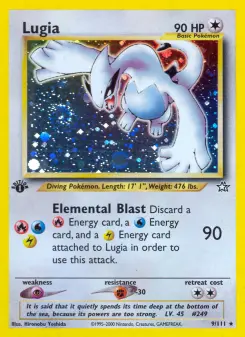 LugiaNeo Genesis #9Top $1,299.96Rarity
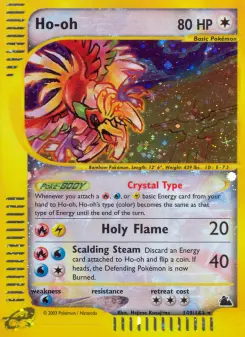 Ho-ohSkyridge #149Top $800.00Print variantShining MewtwoNeo Destiny #109Top $940.00Pokédex numberMagikarpPaldea Evolved #203Top $389.43SetDragoniteExpedition Base Set #9Top $799.69Artist
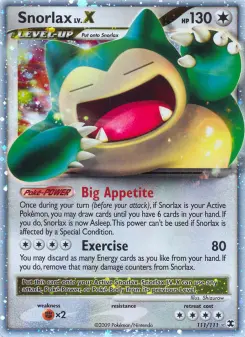 Snorlax LV.XRising Rivals #111Top $566.33Evolution stage
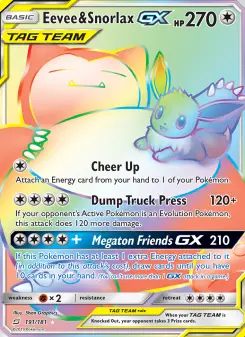
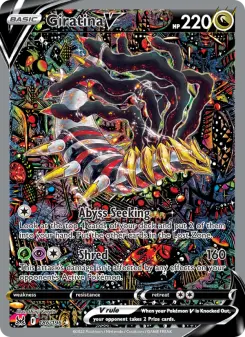 Giratina VLost Origin #186Top $824.39Card mechanicCharizard δCrystal Guardians #4Top $1,199.99Attack costMew exPaldean Fates #232Top $1,013.78Retreat costEevee & Snorlax-GXTeam Up #191Top $285.46Pokédex number
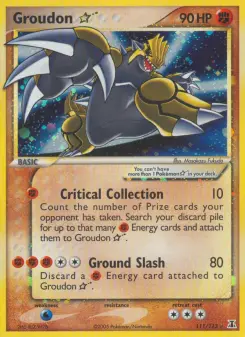 Groudon ★Delta Species #111Top $1,010.00Energy typeArceus & Dialga & Palkia-GXCosmic Eclipse #221Top $559.16Set
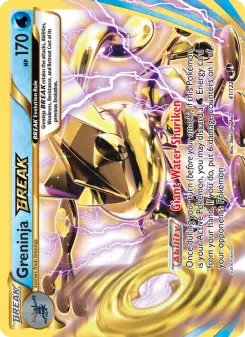 Greninja BREAKBREAKpoint #41Top $30.74Evolution stageLatias & Latios-GXTeam Up #170Top $3,157.93Card mechanic
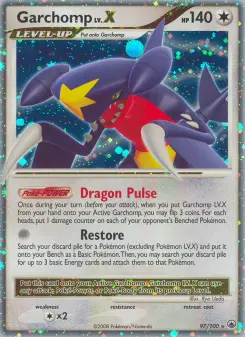 Garchomp LV.XMajestic Dawn #97Top $193.50Attack cost
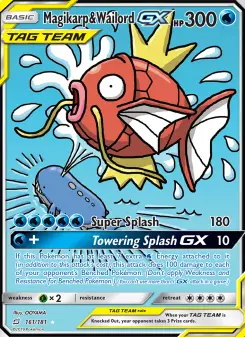 Magikarp & Wailord-GXTeam Up #161Top $861.78Retreat costShining RaichuNeo Destiny #111Top $445.00Pokédex numberFlareon ★Power Keepers #100Top $1,999.95Energy typeGroudonParadox Rift #199Top $127.24Set
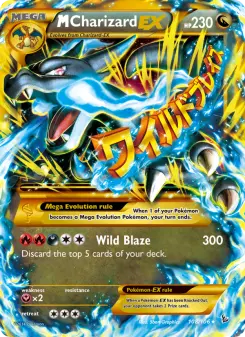 M Charizard-EXFlashfire #108Top $1,000.62Attack damageRocket's MeowthTeam Rocket Returns #46Top $199.95Pokédex number
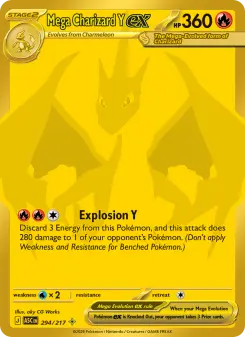 Mega Charizard Y exAscended Heroes #294Top $419.57Regulation markMewtwo & Mew-GXUnified Minds #242Top $411.52SetRocket's Zapdos exTeam Rocket Returns #106Top $899.99Artist
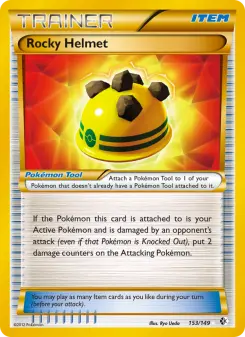 Rocky HelmetBoundaries Crossed #153Top $39.66Card mechanic
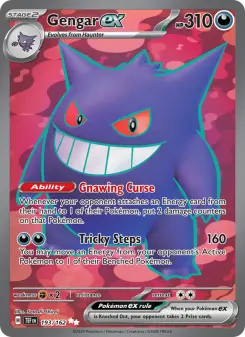 Gengar exTemporal Forces #193Top $61.99RarityLucarioPokémon Rumble #12Top $280.48Pokédex numberGardevoir exScarlet & Violet #245Top $70.75SetGardevoir & Sylveon-GXUnbroken Bonds #205Top $624.99Artist
Taken by going round the 12 sorts in turn and picking the dearest card of each group, skipping any card already shown — every tile here is a picture we hold on file, not a placeholder. Prices read on August 14, 2026.
The badge on each card names the sort it was drawn from, so a card that leads several groups still appears only once.
How these were chosen — the chips above count which sort each of the 50 tiles came from. One card was taken per group, going round the sorts in turn, so the grid is spread across the record rather than stacked on the dearest corner of it. Hover a card to see it larger.
Not every card on file carries a picture. The grid above is drawn only from the ones that do, so it shows what the record looks like rather than everything it holds.
Cards without a picture are still counted in every total on this page and still appear on their group pages, listed by name, set and number instead of by artwork. They are left out here only because a gallery of blank frames would say nothing about 20,444 cards.
Why a sample rather than the top fifty
A top-fifty grid would be almost entirely holo cards from a handful of sets, which would describe the price list rather than the record. Going round the 12 sorts in turn puts a common card beside a rare one whenever the sort demands it, which is closer to what 20,444 cards actually look like.
What this Pokémon card record is
| What was counted | Figure |
|---|---|
| English cards on file | 20,444 |
| Cards carrying a dated price | 19,656 |
| Ways the record is sorted | 12 |
| Groups with a page of their own | 583 |
| Smallest group we will publish | 24 cards |
| Date the record was read | August 14, 2026 |
We read the card files ourselves rather than repeating figures from elsewhere, so a very new expansion may not be in the count yet.
What we will not put a number on
There is no print run figure, no pack pull rate and no graded population count anywhere on this site. The rights holder does not publish print runs, and no open dataset records how many copies of a card survive in what condition. Any figure we gave you would be invented, so we leave the question open instead.
Pokémon card guides that explain the rules
- Standard, Expanded and Unlimited formats2,917 Standard-legal cardsWhich of your Pokémon cards you are allowed to play, and how the yearly rotation decides it.
- How to build a Pokémon deck60 cards exactlyThe 60-card rules straight from the official rulebook, checked against the cards that are actually legal.
- Pokémon card rarity, counted38 rarities countedEvery rarity printed on an English Pokémon card, with how many cards carry it.
- What the symbols on a Pokémon card mean20,444 cards readEvery mark printed on the card — energy, weakness, retreat, set symbol and regulation mark.
- How to tell a fake Pokémon card174 expansions on fileWhat the official guidance says, plus the printed details you can check against a full catalogue.
The groups show you cards; the guides explain the rules
The pages above sort cards. The guides do the other half of the job: they quote the official rulebook and tournament handbook, then check each rule against the same 20,444 cards on file. If you want to know what a symbol means, whether a card is tournament legal, or how to tell a counterfeit, start at the guides index.
Pokémon card groups worth opening first
- Common5,334 cardsThe biggest group when the record is sorted by rarity.
- Normal11,021 cardsThe biggest group when the record is sorted by print variant.
- Pikachu177 cardsThe biggest group when the record is sorted by pokédex number.
- Regulation G1,634 cardsThe biggest group when the record is sorted by regulation mark.
- Water2,435 cardsThe biggest group when the record is sorted by energy type.
- SWSH Black Star Promos304 cardsThe biggest group when the record is sorted by set.
- 5ban Graphics1,615 cardsThe biggest group when the record is sorted by artist.
- Basic9,991 cardsThe biggest group when the record is sorted by evolution stage.
- Supporter1,166 cardsThe biggest group when the record is sorted by mechanic.
- Attack cost 19,392 cardsThe biggest group when the record is sorted by attack cost.
- Damage ~306,938 cardsThe biggest group when the record is sorted by damage range.
- Retreat cost 18,503 cardsThe biggest group when the record is sorted by retreat cost.
Pokémon cards — frequently asked questions
How many Pokémon cards are there?
How much is my Pokémon card worth?
How do I find out what my Pokémon card is?
Why does the group I want not have a page?
Where do these Pokémon card prices come from?
Is this an official Pokémon site?
What is Pokémon?
How many Pokémon cards does this site cover?
How do I find out what my Pokémon card is worth?
How much is an average Pokémon card worth?
Are Pokémon cards going up in value?
Are these Pokémon card prices accurate?
Do you sell Pokémon cards?
Why do you not publish Pokémon card print runs or pack odds?
How often is this Pokémon card data updated?
Where these Pokémon card figures come from
Primary official source
First-party official sources — the body that issues the data itself, such as a government agency, a statutory register or a rights holder publishing its own records.
Industry source
Second-party sources — marketplaces, trade associations, research institutes and companies that compile data about the market.
How we count
Card counts on this page — this site keeps its own copy of the openly published English card and expansion files and counts them directly; the figures above were counted on 3 August 2026 across 174 expansions
Before you rely on these figures
Note: Card counts on this page are our own: we read our copy of the openly published English card files and counted 20,444 cards on August 14, 2026. Prices are market figures read on the same date from a public marketplace price archive, and card values move, so treat every figure as a reading taken on that day rather than a valuation. A count can only describe the cards those files contain, so a very new expansion may not be included yet. This site is an independent reference and is not affiliated with, endorsed by or sponsored by The Pokémon Company, Nintendo, Creatures Inc., GAME FREAK inc. or any marketplace, and nothing here is financial advice.
Last updated: August 14, 2026